


すべての製品
-
 Raian Ionescuよい物質的な質非常に。私達は協力することを持っている10年以上。それらはロットの種類の鋼鉄材料を交換する。よいすべての物質的な質。それらすべての物質的な質のための義務。私達はそれらに将来協力し続けるために平になっている
光沢のある表面とOD 3-300mmの熱間圧延17-4PHステンレス鋼丸棒


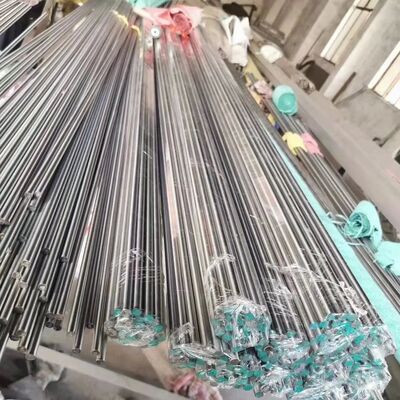
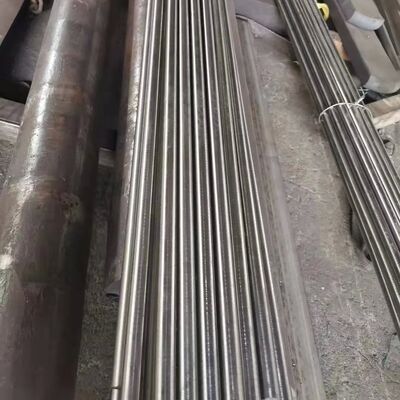


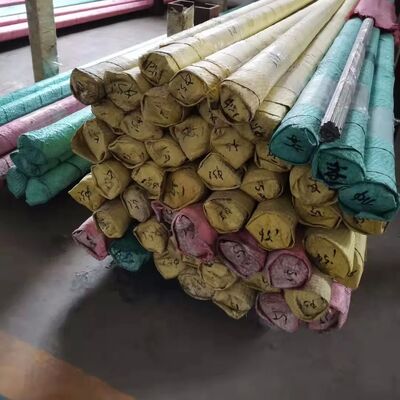

商品の詳細
| 形 | ラウンド | 技術 | 熱間圧延 |
|---|---|---|---|
| 表面処理 | 明るい | 直径 | 8~450mm |
| 長さ | 6メートル/個 | メイングレード | 201 301 303Cu 304 304L 309S 310S 316L 316Ti 317L 318 321 347 410 420 430 431 440a/b/c 904L 2205 2507 |
| 抗張力 | 1105~1310MPa | 降伏強さ | 1000~1170MPa |
| 伸長 | 10~16% | 硬度 | 28~44HRC |
| 熱伝導率 | 18.4~22.7W/mK | 比熱 | 460 J/kg.K |
| 電気抵抗率 | 800nΩ・m | 密度 | 7750kg/m3 |
| 熱膨張 | 10.8~11.6μm/m/℃ | ||
| ハイライト | 熱間圧延17-4PHステンレス鋼丸棒,明るい表面 630 ステンレス鋼棒,外径3~300mm 析出硬化型ステンレス棒 |
||
製品の説明
高品質の17-4PHステンレス鋼 ブライトバー/ブラックバー グレード 630
17-4PHステンレス鋼 (タイプ630としても知られる) は,高強度と適度な耐腐蝕性を要求するアプリケーションのために設計されたクロム銅降水硬化ステンレス鋼である.この素材は,約600°F (316°C) まで高強度を維持する.
製品仕様
| 製品 | 17-4PH ステンレス鋼の丸棒 |
|---|---|
| スタンダード | ASTM GB DIN EN |
| 直径 | 8 - 450mm |
| 長さ | 6m/pcs または要求に応じて切る |
| 仕上げ | ブラックバー / ライトバー |
| 入手可能なグレード | 201301, 303Cu, 304, 304L, 309S, 310S, 316L, 316Ti, 317L, 318, 321, 347, 410, 420, 430, 431, 440a/b/c, 904L, 2205, 2507, ハステロイC276, C4, C22, インコネル600, 625, インコロール800, 825, 825Hなど |
| サービス | 切断,表面磨き,熱処理 |
| ブランド | ウォルシン,バースティール,ティスコ,キングシャン |
材料説明
合金17-4PHは,銅とニオビウムを加えた降水硬化マルテンシトスステンレス鋼である.このグレードは高強度,硬さ (最大572°F/300°C) と耐腐蝕性を組み合わせている.熱処理によって機械的特性を最適化することができる1100-1300 MPa (160-190 ksi) までの非常に高い出力強度を達成する.
申請
- 海上での用途 (ホイール,ヘリコプターデッキのプラットフォーム)
- 食品加工産業
- 紙パルス産業
- 航空宇宙部品 (タービンブレッド)
- 機械部品
- 核廃棄物の桶
- エンジン部品
- 高強度ボートプロペラシャフト
- プラスチック製の鋳造機
- バルブとギア
基準の遵守
| スタンダード | 指定 |
|---|---|
| ASTM | A693 グレード 630 (AMS 5604B) UNS S17400 |
| EURONORM | 1.4542 X5CrNiCuNb 16-4 |
| AFNOR | Z5 CNU 17-4PH |
| DIN | 1.4542 |
化学組成
| エレメント | 含有量 (%) |
|---|---|
| 炭素 (C) | ≤0.07 |
| マンガン (Mn) | ≤ 100 |
| シリコン (Si) | ≤ 100 |
| リンゴ (P) | ≤0.04 |
| 硫黄 (S) | ≤0.030 |
| クロム (Cr) | 15.0から17まで5 |
| ニッケル (Ni) | 3.0から50 |
| 銅 (Cu) | 3.0から50 |
| ナイオビウム+タンタル (Nb+Ta) | 0.15 - 045 |
メカニカルプロパティ
| 条件 | 張力強度 (MPa) | 性能強度 0.2% 試料 (MPa) | 伸縮 (% 50mm) | 硬さ ロックウェル C (HRC) |
|---|---|---|---|---|
| 溶液処理 | 1105 (典型的な) | 1000 (典型的な) | 15 (典型的な) | 最大38 |
| 条件 900 | 1310分 | 1170分 | 10分 | 40分 |
| 条件 1150 | 930分 | 724分 | 16分 | 28分 |
物理 的 な 特質
| 資産 | 価値 |
|---|---|
| 密度 | 7750 kg/m3 |
| 100°Cでの熱伝導性 | 18.4 W/m·K |
| 熱伝導性 500°C | 22.7 W/m·K |
| 特定熱 (0-100°C) | 460 J/kg·K |
| 電気抵抗性 | 800 nΩ·m |
耐腐食性
合金17-4PHは,標準硬化可能なステンレス鋼と比較して優れた耐腐蝕性を提供し,ほとんどの環境で合金304に比べて性能が良い.ストレス腐食によるクラッキングのリスクのあるアプリケーション化学,石油,紙,乳製品,食品加工産業では優れた耐性を示しています.
熱処理
溶液処理では,熱を1040°Cに0.5時間加熱し,その後空気冷却を行う.特定の温度での老化硬化により,望ましい機械的特性が得られる.硬さや機械的性質の減少を防ぐために,材料は老化硬化温度を超えて使用してはならない..
製品画像

連絡 ください
私たちの17-4PHステンレス鋼製品と技術仕様についての詳細については,私たちの販売チームに連絡してください.