


すべての製品
-
 Raian Ionescuよい物質的な質非常に。私達は協力することを持っている10年以上。それらはロットの種類の鋼鉄材料を交換する。よいすべての物質的な質。それらすべての物質的な質のための義務。私達はそれらに将来協力し続けるために平になっている

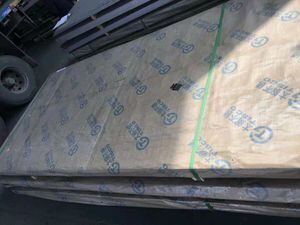
商品の詳細
| 型番 | インコネル625 | 形 | フラット |
|---|---|---|---|
| 技術 | 熱間圧延 | 表面処理 | ポリッシュ |
| 仕様 | 1220*2440,1500*3000,1500*6000,2000*6000mm | 密度 | 8.44g/cm3 |
| 比熱 | 427 J/kg-°K (0-100°C) | 弾性率 | 207.5 GPa |
| 熱伝導率 | 10.8 W/m-°K | 融解範囲 | 1290~1350℃ |
| 電気抵抗率 | 210℃で128.9マイクロオーム-cm | 降伏強さ | 448MPa |
| 最終的な引張強さ | 862MPa | 伸長 | 50% |
| 硬度 | 200 ブリネル | ||
| ハイライト | 高温耐性インコネル 625 プレート,耐食性合金 625 プレート,熱間圧延ニッケルクロムモリブデンニオブ板 |
||
製品の説明
インコネル 625 DIN 2.4856 Uns N06625 高温合金板
インコネル625 合金625 DIN2.4856 アメリカ製 SMC/ATI/HAYNES
一般的な特性
625合金 (Alloy 625) は,冷凍温度から1800°F (982°C) までの高強度とともに,優れた耐腐蝕性を有するオーステニティックニッケル・クロム・モリブデン・ニオビウム合金である.耐性は,ニッケル・クロムマトリックスをモリブデンとニオビウムで固体溶液で硬化することによって得られる.降水硬化処理の必要性をなくす.
化学組成は,過酷な作業環境で,酸化,炭化物,穴,裂けん腐食,衝突腐食に耐える,特殊な耐腐蝕性を提供します.粒間攻撃625合金 は,標準的な工場製造 方法 を用いて,簡単に 溶接 し,加工 でき ます.
申請
- 航空宇宙部品 - バルフと拡張接頭,管管システム,ジェットエンジンの排気システム,エンジンの推力逆転器,タービンシールドリング
- 空気汚染対策 - 煙突の内面,ダムパー,煙草ガス脱硫 (FGD) 部品
- 化学加工 - 酸化酸と還元酸の両方を処理する機器,超リン酸生産
- 海兵隊 - 蒸気ラインの吹風機,海軍船舶の排気システム,潜水艦補助推進システム
- 原子力産業 - 原子炉コアと制御棒の部品,廃棄物再処理機器
- 海上石油とガス生産 - 廃棄物燃焼ガススタック,パイプシステム,リザーシールド,酸ガスパイプとチューブ
- 石油精製 - 廃棄物燃焼ガススタック
- 廃棄物処理 - 廃棄物焼却部品
基準
ASTM:B 443
ASME: SB 443
AMS: 5599
ASME: SB 443
AMS: 5599
化学分析
体重 % (他の範囲が示されていない限り,すべての値は最大値です)
| エレメント | 構成 | エレメント | 構成 |
|---|---|---|---|
| ニッケル | 58.0分 | シリコン | 0.50 |
| クロム | 200.0分~23.0分 最大 | リンゴ | 0.015 |
| モリブデン | 8.0分~10.0最高 | 硫黄 | 0.015 |
| 鉄 | 5.0 | アルミニウム | 0.40 |
| ナイオビウム (タンタルプラス) | 3.15分~4.15最高 | チタン | 0.40 |
| 炭素 | 0.10 | コバルト (決定した場合) | 1.0 |
| マンガン | 0.50 |
物理 的 な 特質
| 資産 | 価値 |
|---|---|
| 密度 | 00.305ポンド/インチ3. 8.44g/cm3 |
| 特定熱量 | 00.102 BTU/lb-°F (32-212°F) ー 427 J/kg-°K (0-100°C) |
| 弾力性のモジュール | 30.1×10⁶psi 207.5GPa |
| 熱伝導性 100°C 200°F | 75BTU/h/ft2/ft/°F 10.8W/m-°K |
| 溶解範囲 | 1290〜1350°Cです 温度は40°Cです |
| 電気抵抗性 | 50.8 マイクロフムイン 70°C 128.9 マイクロフムcm 210°C |
熱膨張の平均係数
| 温度範囲 | 中/中/F | cm/cm°C |
|---|---|---|
| 温度は40°C | 7.1 × 10⁻⁶ | 12.8 × 10⁻⁶ |
| 温度は40°F | 7.3 × 10⁻⁶ | 13.1 × 10⁻⁶ |
| 摂氏600°F | 7.4 × 10⁻⁶ | 13.3 × 10⁻⁶ |
| 摂氏407度 | 7.6 × 10⁻⁶ | 13.7 × 10⁻⁶ |
| 1000°F 〜 538°C | 7.8 × 10⁻⁶ | 14.0 x 10⁻⁶ |
| 摂氏649度 | 8.2 × 10⁻⁶ | 14.8 × 10⁻⁶ |
| 摂氏760度 | 8.5 × 10⁻⁶ | 15.3 × 10⁻⁶ |
| 摂氏1600°F | 8.8 × 10⁻⁶ | 15.8 × 10⁻⁶ |
| 摂氏927度 | 9.0 x 10⁻⁶ | 16.2 × 10⁻⁶ |
メカニカルプロパティ
典型的な値 68°F (20°C)
| 利回り強さ 0.2% オフセット | 最強の張力強さ | 2インチで伸びる | 硬さ |
|---|---|---|---|
| 65"000psi (分) " 448MPa | 125"000psi (分) " 862MPa | 50% (最小) | 200 ブリーネル (最大) |
耐腐食性
合金625の高度な合金化学組成は,非常に腐食性のある環境で優れた耐腐蝕性を与えます.この合金では,大気などの温かい条件では攻撃にほとんど抵抗力があります.ニッケルとクロムは酸化溶液に耐性を与え,ニッケルとモリブデンムは酸化しない環境で耐性を与えます..モリブデンは穴と裂け目の腐食に耐性があり,ニオビウムは粒間裂けを防ぐため,溶接中に安定剤として作用する.高いニッケル含有量により,合金625は,クロライドストレス腐食裂けにほとんど抵抗力があります.
プティングレジスタンスの同等数 (PREN)
| 合金 | ニ | C.C. | モー | W | Nb | N | PREN |
|---|---|---|---|---|---|---|---|
| 316 ステンレス | 12 | 17 | 2.2 | - | - | - | 20.4 |
| 317 ステンレス | 13 | 18 | 3.8 | - | - | - | 23.7 |
| 合金825 | 42 | 21.5 | 3 | - | - | - | 26.0 |
| 合金864 | 34 | 21 | 4.3 | - | - | - | 27.4 |
| 合金G-3 | 44 | 22 | 7 | - | - | - | 32.5 |
| アルloy 625 | 62 | 22 | 9 | - | 3.5 | - | 40.8 |
| C-276合金 | 58 | 16 | 16 | 3.5 | - | - | 45.2 |
| 合金622 | 60 | 20.5 | 14 | 3.5 | - | - | 46.8 |
| SSC-6MO | 24 | 21 | 6.2 | - | - | 0.22 | 48.0 |
| 合金686 | 58 | 20.5 | 16.3 | 3.5 | - | - | 50.8 |
製造データ
熱で形作る
アルloy 625の熱加工温度範囲は1650 - 2150°F (900 - 1177°C) である.重作業は2150°F (1177°C) の近くで行われ,軽作業は1700°F (927°C) まで行われることができる.単調な減量を使用して,二重粒子の構造を防ぐ.
冷たい形作
合金625は,アニール状態で標準的な工場製造方法を使用して冷凍で形成することができる.作業硬化率はオーステニティックステンレス鋼よりも高い.
溶接
合金625は,GTAW (TIG),PLASMA,GMAW (MIG/MAG),SAWおよびSMAW (MMA) を含むほとんどの標準プロセスで簡単に溶接することができる.溶接後の熱処理は必要ありません.溶接後,ステンレス鋼のワイヤブラシでブラシを磨くことで,熱色が消えます..
機械加工
溶融625は,焼却状態で加工されるべきである.作業硬化傾向があるため,作業硬化ゾーンを避けるために,継続的なツール使用と十分な切断深さの低切断速度を使用する.
梱包

推薦されたプロダクト