


すべての製品
-
 Raian Ionescuよい物質的な質非常に。私達は協力することを持っている10年以上。それらはロットの種類の鋼鉄材料を交換する。よいすべての物質的な質。それらすべての物質的な質のための義務。私達はそれらに将来協力し続けるために平になっている


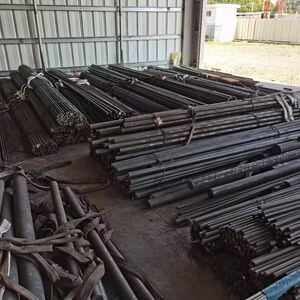
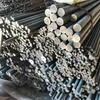
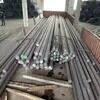
商品の詳細
| 型番 | 316L | 形 | ラウンド |
|---|---|---|---|
| 技術 | 冷間圧延 | 表面処理 | 明るい |
| 仕様 | 外径6~630mm | 生産能力 | 50000KGS |
| 直径 | 8~300mm | 長さ | 6m/pcs |
| 炭素含有量 | 0.03% 最大 | マンガンの内容 | 最高2.0% |
| クロムの内容 | 16.0~18.0% | モリブデン含有量 | 2.00~3.00% |
| ニッケル含有量 | 10.0~14.0% | 抗張力 | 485MPa以上 |
| 降伏強さ | 170MPa以上 | ||
| ハイライト | つや出しのステンレス鋼の丸棒,明るい光沢のある 316L ステンレス鋼棒,316L グレードのブライト鋼棒 |
||
製品の説明
ホットロール ライト ポーリング 316L ステンレス スチール 丸いバー
製品仕様
| 製品 | ステンレス鋼の丸い棒 |
| グレード | 316L / 1.4404 / AISI316L |
| スタンダード | ASTM A276/276M |
| 直径 | 8 - 300mm |
| 長さ | 6m/pcsまたはカスタムカット可能 |
| 表面 | ブラック ライト |
| 他の級別 | 304310S, 316L, 317L, 321, 410, 420, 431, 440A/B/C, 2205, 2507, 630, 631, 904L など |
| サービス | 切る,磨く,熱処理 |
ステンレス鋼棒の製品ラインナップ
| 製品名 | サイズ範囲 | 主要なグレード |
|---|---|---|
| ステンレス鋼の丸い棒 (黒い表面を熱く巻き) | 8 - 300mm | 304304L, 309S, 310S, 316L, 316Ti, 317L, 321, 347, 410, 420, 431, 440A/B/C, 2205, 2507, 904L, 254SMO, 17-4PH, 17-7PHなど |
| ステンレス鋼の丸い棒 (明るく磨かれた) | 3 - 50mm | 201304,316L,310S,2205,630 など |
| ステンレス鋼の四角棒 | 4×4 - 50×50mm | 201304,316L,310S,410,420 など |
| ステンレス鋼の六角棒 | S4-S70 | 201304,316L,310S,410,420 など |
| ステンレス鋼のフラットバー | 10×3 - 100×40mm | 304304L, 309S, 310S, 316L, 316Ti, 317L, 321, 347, 410, 420, 431, 440A/B/C, 2205, 2507, 904L, 254SMO, 17-4PH, 17-7PHなど |
| ステンレス鋼の角棒 | 30×30 - 200×200mm | 201304,316L,310S,2205 など |
| ステンレス鋼のチャネルバー | 50×25 - 200×100mm | 201304,316L,310S,2205 など |
約 316L ステンレス スチール
グレード316は,標準的なモリブデンを含むオーステニティックステンレス鋼で,304に次いで重要.モリブデン含有量は,グレード304と比較して316に優れた耐腐蝕性を提供します.塩化物環境における穴と裂け目の腐食に対する特に高い耐性.
グレード316Lは316の低炭素バージョンであり,敏感化 (粒の境界カービッド降水) に抵抗性がある.これは,重量ゲージの溶接部品 (約6mm以上) で広く使用されます316と316Lのステンレス鋼の価格の違いは通常ありません.
アウステニト構造により,冷凍温度まで優れた強度が保たれています
316L ステンレス スチールの化学組成
| エレメント | ミニ (%) | 最大 (%) |
|---|---|---|
| C について | - | 0.03 |
| ミニ | - | 2.0 |
| そうだ | - | 0.75 |
| P | - | 0.045 |
| S | - | 0.03 |
| C.C. | 16.0 | 18.0 |
| モー | 2.00 | 3.00 |
| ニ | 10.0 | 14.0 |
| N | - | 0.10 |
316L 不同鋼の機械的特性
| 資産 | 価値 |
|---|---|
| 張力強度 (MPa) 分 | 485 |
| 性能強度 0.2% 試料 (MPa) 分 | 170 |
| 伸縮 (% 50mm) 分 | 40 |
| ロックウェルB (HR B) 最大 | 95 |
| ブリーネル (HB) 最大 | 217 |
グレード仕様の比較
| スタンダード | 指定 |
|---|---|
| UNS番号 | S31603 |
| 古いイギリス BS | 316S11 |
| EURONORM ノー | 1.4404 |
| EURONORM 名称 | X2CrNiMo17-12-2 |
| スウェーデン SS | 2348 |
| 日本JIS | SUS 316L |
耐腐食性
様々な大気環境や多くの腐食性のある環境での優れた性能 - 一般的に304よりも耐久性が高い.そして,約60°C以上のストレス腐食裂け.
室温では約1000 mg/Lの塩化物を含む飲料水に耐性があると考えられ,60°Cでは約500 mg/Lに減少する.
316は,通常,標準的な"海洋級のステンレス鋼"とみなされます.しかし,暖かい海水に耐久性がない.多くの海洋環境では,316は表面腐食を示します.通常は茶色の色で見えます特に割れ目や粗い表面の仕上げでは
熱耐性
870°Cの間歇的な使用と925°Cの連続的な使用において,良好な酸化耐性がある.続いて水性腐食耐性が重要であれば,425~860°Cの範囲で316を継続的に使用することは推奨されません..
グレード316Lは,カービッド降水に耐性があり,上記の温度範囲で使用できます.Grade 316H has higher strength at elevated temperatures and is sometimes used for structural and pressure-containing applications above about 500°C. 316Hは高温でより高い強度を持ち,時には約500°C以上の構造および圧力を含むアプリケーションに使用される..
熱処理
溶液処理 (アニール) - 1010~1120°Cまで熱し,迅速に冷却する.これらのグレードは熱処理で硬化することはできません.
溶接
すべての標準的な融合と抵抗方法により,充填金属と無関係なく,優れた溶接可能性.316級の重量溶接面は,最大耐腐食性のために溶接後焼却を必要とする.316Lでは不要です
316Lステンレス鋼は,一般的にはオキシアセチレン溶接法で溶接できない.
機械加工
316Lステンレス鋼は,機械加工が速すぎると硬化する傾向があります.この理由から,低速で恒常的な供給速度が推奨されます.
316Lステンレス鋼は,炭素含有量が低いため,316ステンレス鋼と比較して機械化することも容易です.
熱 と 寒 で 働く
316Lステンレス鋼は,一般的な熱加工技術を使用して熱加工することができます.最適な熱加工温度は1150~1260°Cの範囲で,特に930°C未満でなければなりません.最強の耐腐蝕性を誘発するために,作業後の焼却を行う必要があります..
316Lステンレス鋼では,切削,引出,スタンプなどの最も一般的な冷凍加工作業が実行できます.内部ストレスを除去するために,ポストワークアニールを行う必要があります.
硬化 と 働き の 硬化
316Lステンレス鋼は熱処理により硬化しない.冷たい加工によって硬化され,強度も向上する.
申請
- 特に塩化物環境での食品調理設備
- 医薬品
- 海洋用途
- 建築用アプリケーション
- 医療用インプラント,ピン,スクリュー,整骨器具など
- 固定装置
製品画像
