


すべての製品
-
 Raian Ionescuよい物質的な質非常に。私達は協力することを持っている10年以上。それらはロットの種類の鋼鉄材料を交換する。よいすべての物質的な質。それらすべての物質的な質のための義務。私達はそれらに将来協力し続けるために平になっている
耐腐食合金 C-22 ニッケル基合金 UNS N06022 冷間圧延板・条・管・棒 0.4 - 20.0mm

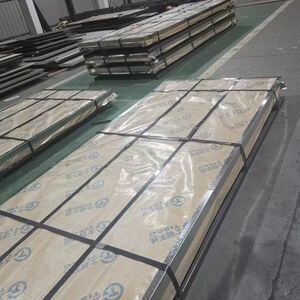
商品の詳細
| 型番 | 合金 c-22 | 形 | フラット |
|---|---|---|---|
| 技術 | 冷間圧延 | 表面処理 | 明るい |
| 仕様 | 0.4 - 20.0mm | 炭素含有量 | 0~0.01% |
| シリコン含有量 | 0~0.08% | マンガンの内容 | 0〜0.5% |
| リン含有量 | 0~0.015% | 硫黄分 | 0~0.005% |
| クロムの内容 | 20.0~22.5% | モリブデン含有量 | 12.5~14.5% |
| ニッケル含有量 | 50.0~63.0% | 鉄の含有量 | 2.0~6.0% |
| タングステンの内容 | 2.5〜3.5% | ||
| ハイライト | 耐食合金 C-22,冷間圧延されたニッケルの基礎合金,0.4~20.0mm UNS N06022 |
||
製品の説明
アロイ C-22 ニッケル基合金 UNS N06022 シート / プレート / パイプ / バー 在庫あり
HASTELLOY Alloy C-22 は、ピッティング、クレビス腐食、応力腐食割れに対する耐性を強化したニッケル-クロム-モリブデン合金です。この合金は、溶接熱影響部での粒界析出物の生成に耐性があるため、溶接後そのままの状態での使用に適しています。
C-22 は、還元性媒体と酸化性媒体の両方に対して優れた耐性を示し、「異常」な状態が発生しやすい用途に最適です。この合金は、消耗溶加材ワイヤおよび電極として優れた溶接性および高い耐食性を実証しており、他の耐食性ワイヤが失敗した用途で溶加材ワイヤとして効果的に機能します。
その延性により、C-22 は容易に冷間加工でき、冷間成形が成形に推奨される方法です。この合金は、オーステナイト系ステンレス鋼よりも一般的に硬いため、成形時にはより多くのエネルギーが必要です。2050°F で熱処理され、急速に焼き入れされた状態の厚さ 0.28 インチのシートは、平均オルセンカップ深さ 0.49 インチを達成します。
アロイ C22 の化学組成
| 元素 | C | Si | Mn | P | S | Cr | Mo |
|---|---|---|---|---|---|---|---|
| 含有量 % | 0-0.01 | 0-0.08 | 0-0.5 | 0-0.015 | 0-0.005 | 20.0-22.5 | 12.5-14.5 |
| 元素 | Ni | Co | Fe | N | W | V | |
| 含有量 % | 50.0-63.0 | 0-2.5 | 2.0-6.0 | 50.0-63.0 | 2.5-3.5 | 0-0.35 |
アロイ 22 適用仕様
| 形状 | ASTM | ASME | VdT ÜV |
|---|---|---|---|
| バー | B574, B5641 | SB574, SB5641 | 479 |
| プレート & シート | B575 | SB575 | 479 |
| シームレスパイプ & チューブ | B622 | SB622 | - |
| 溶接パイプ | B619 | SB619 | - |
| 溶接チューブ | B626 | SB626 | - |
機械加工ガイドライン
ニッケルおよびコバルト基の耐食性、耐熱性、耐摩耗性合金は、機械加工が中程度から困難に分類されます。しかし、これらの合金は従来の生産方法で満足のいく速度で機械加工できます。機械加工操作中の主な考慮事項は次のとおりです。
- 能力 - 機械は可能な限り剛性が高く、強力である必要があります
- 剛性 - 工作物と工具は、工具の突き出し量を最小限に抑えて、しっかりと保持する必要があります
- 工具の鋭利さ - 常に鋭利な工具を維持してください。0.015 インチの摩耗ランドは鈍い工具と見なされます
- 工具 - ほとんどの作業ではポジティブレーキ角の工具を使用してください。カーバイドチップ工具はほとんどの用途で推奨されます
- ポジティブカット - 作業硬化を防ぐために、重く一定の送り量を使用してポジティブな切削作用を維持してください
- 潤滑 - 特にカーバイド工具を使用する場合は、水溶性オイルが推奨されます

推薦されたプロダクト