


Tutti i prodotti
-
Striscia di acciaio inossidabile
-
Strato di acciaio inossidabile
-
Piatto di acciaio inossidabile
-
tubo di acciaio inossidabile
-
Acciaio inossidabile Antivari
-
Bobina d'acciaio galvanizzata
-
Piatto d'acciaio
-
tondino d'acciaio
-
lega di nichel
-
Tubo d'acciaio senza cuciture
-
Fascio di acciaio inossidabile
-
Strato del piatto di rame
-
Tondino di rame
-
Barra tonda in acciaio inossidabile
-
Barra del canale in acciaio inossidabile
-
Barra angolare in acciaio inossidabile
-
Strisce di bobina in acciaio inossidabile
-
Barra piatta in acciaio inossidabile
-
Cerchio in acciaio inossidabile
-
Raccordo per tubi
-
Lamiera di acciaio inossidabile con ondulazione dell'acqua
-
Lega di nichel e superlega
-
Bobina di acciaio laminato a freddo
-
Rame
-
Prodotti in lega a base di nichel
-
Altri
-
 Raian IonescuQualità materiale molto buona. abbiamo cooperare più di 10 anni. Vendono i generi dei lotti di materiale d'acciaio. Tutta la qualità materiale buona. Essi dovere per tutta la qualità materiale. Stiamo spianando per continuare a cooperare in futuro con loro
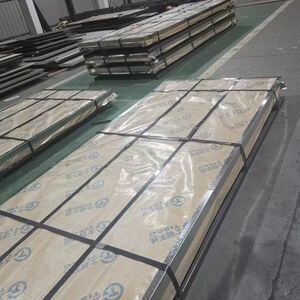
Lega Resistente alla Corrosione C-22 Lega a Base di Nichel UNS N06022 Lamiera Laminata a Freddo, Tubi, Barre 0.4 - 20.0mm

Dettagli
| Modello n. | lega c-22 | Forma | Piatto |
|---|---|---|---|
| Tecnica | laminato a freddo | Trattamento superficiale | Luminoso |
| Specifica | 0.4 - 20.0mm | Contenuto di carbonio | 0-0,01% |
| Contenuto di silicio | 0-0,08% | Contenuto del manganese | 0-0,5% |
| Contenuto di fosforo | 0-0,015% | Contenuto di zolfo | 0-0,005% |
| contenuto del cromo | 20,0-22,5% | Contenuto di molibdeno | 12,5-14,5% |
| Contenuto di nichel | 50,0-63,0% | Contenuto di ferro | 2,0-6,0% |
| Contenuto del tungsteno | 20,5-3,5% | ||
| Evidenziare | Lega resistente alla corrosione C-22,Lega bassa laminata a freddo del nichel,0.4 - 20.0mm UNS N06022 |
||
Descrizione di prodotto
Legatura C-22 Legatura a base di nichel UNS N06022 Foglio / piastra / tubo / barre in magazzino
HASTELLOY Alloy C-22 è una lega di nichel-cromo-molibdeno con una maggiore resistenza alle crepe, alla corrosione delle fessure e alla rottura da corrosione da stress.Questa lega resiste alla formazione di precipitati di confine del grano nella zona interessata dal calore della saldatura, che lo rende adatto all'uso in stato di saldatura.
Il C-22 dimostra un'eccezionale resistenza sia ai mezzi riducenti che agli ossidanti, rendendolo ideale per applicazioni in cui è probabile che si verifichino condizioni "sconvolte".La lega ha dimostrato un'eccellente saldabilità e un'elevata resistenza alla corrosione come fili di riempimento e elettrodi consumabili, che serve efficacemente come filo di riempimento in applicazioni in cui altri fili resistenti alla corrosione hanno fallito.
A causa della sua duttilità, il C-22 può essere facilmente lavorato a freddo, con la formazione a freddo come metodo preferito.La lega richiede più energia durante la formazione in quanto è generalmente più rigida degli acciai inossidabili austenitici. Un foglio di 0,28" di spessore, sottoposto a trattamento termico a 2050°F, in condizione di spegnimento rapido, raggiunge una profondità media della tazza olsen di 0,49".
Composizione chimica della lega C22
| Elemento | C | - Sì. | M | P | S | Cr | Mo. |
|---|---|---|---|---|---|---|---|
| Contenuto in % | 0 a 0.01 | 0 a 0.08 | 0 a 0.5 | 0 a 0.015 | 0 a 0.005 | 20.0-22.5 | 12.5-14.5 |
| Elemento | Ni | Co | Fe | N | W | V. | |
| Contenuto in % | 50.0-63.0 | 0 a 2.5 | 2.0-6.0 | 50.0-63.0 | 2.5-3.5 | 0 a 0.35 |
Leggia 22 Specificativi applicabili
| Modulo | ASTM | ASME | VdT ÜV |
|---|---|---|---|
| Bar | B574, B5641 | SB574, SB5641 | 479 |
| Piastra e foglio | B575 | SB575 | 479 |
| Tubo e tubi senza cuciture | B622 | SB622 | - |
| Pipe saldate | B619 | SB619 | - |
| Tubo saldato | B626 | SB626 | - |
Linee guida di lavorazione
Le leghe a base di nichel e cobalto resistenti alla corrosione, alla temperatura e all'usura sono classificate da moderate a difficili da lavorare.le leghe possono essere lavorate con metodi di produzione convenzionali a tassi soddisfacentiTra le considerazioni principali durante le operazioni di lavorazione figurano:
- Capacità- Le macchine devono essere rigide e sovraccariche il più possibile
- Rigidità- Il pezzo di lavoro e lo strumento devono essere tenuti rigidi con il minimo di sovrappeso degli strumenti
- Accentuamento dell'attrezzo- mantenere gli strumenti affilati in ogni momento; un terreno di usura di 0,015 pollici è considerato uno strumento noioso
- Strumenti- utilizzare per la maggior parte delle operazioni attrezzi a angolo di rastrellamento positivo; per la maggior parte delle applicazioni si consiglia di utilizzare attrezzi a punta di carburo
- Tagli positivi- Utilizzare alimentatori pesanti e costanti per mantenere l'azione positiva di taglio e prevenire l'indurimento del lavoro
- Lubrificazione- Si raccomandano oli solubili, specialmente quando si utilizza utensili a carburo

Prodotti raccomandati