


All Products
-
Stainless Steel Strip
-
Stainless Steel Sheet
-
Stainless Steel Plate
-
Stainless Steel Pipe
-
Stainless Steel Bar
-
Galvanized Steel Coil
-
Steel Plate
-
Steel Round Bar
-
Nickel Alloy
-
Seamless Steel Pipe
-
Stainless Steel Beam
-
Copper Plate Sheet
-
Copper Round Bar
-
stainless steel round bar
-
stainless steel channel bar
-
stainless steel angle bar
-
stainless steel coil strip
-
stainless steel flat bar
-
stainless steel circle
-
Pipe Fitting
-
Water Ripple Stainless Steel Sheet
-
Nickel Alloy and Super Alloy
-
cold rolled steel coil
-
copper
-
Nickel Base Alloy Products
-
Others
-
 Raian IonescuMaterial quality very good. we have cooperate more than 10 Years. They trade lots kinds of steel material. All material quality good. They duty for all material quality. We are planing continue cooperate with them in the future
Hot Rolled Grade 316L Stainless Steel Round Bar with Diameter 8-120mm
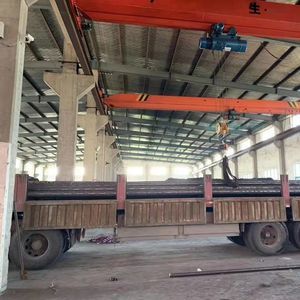
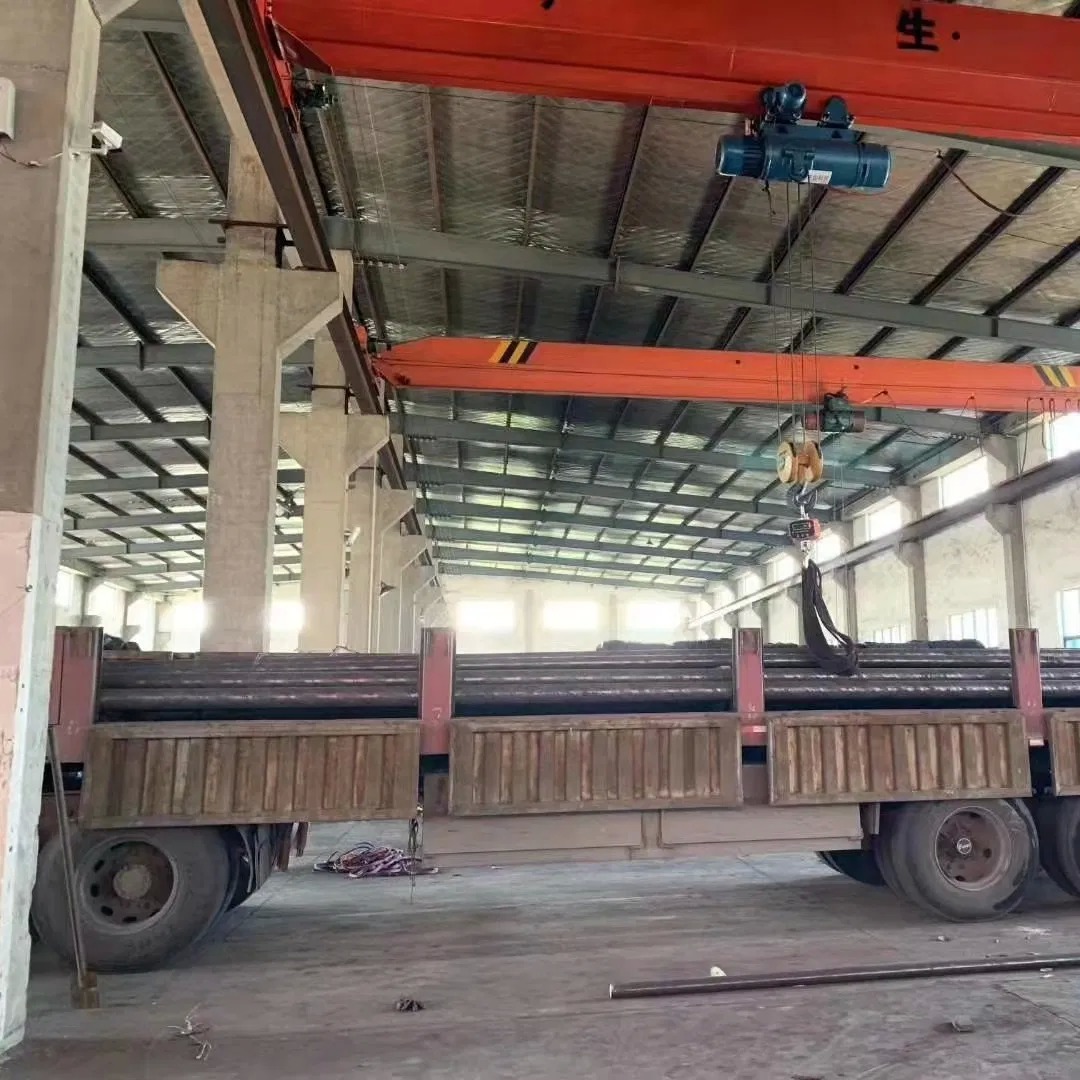
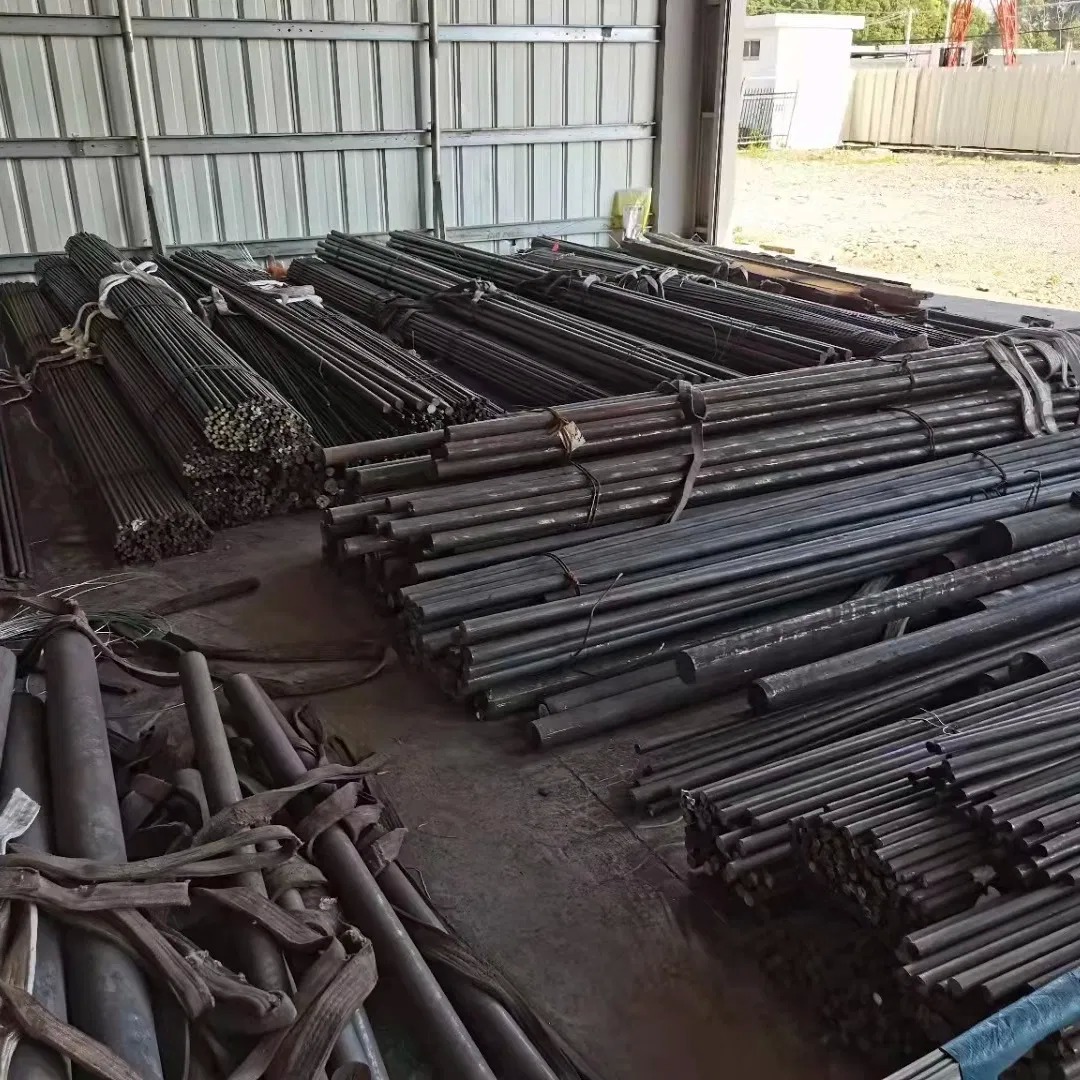
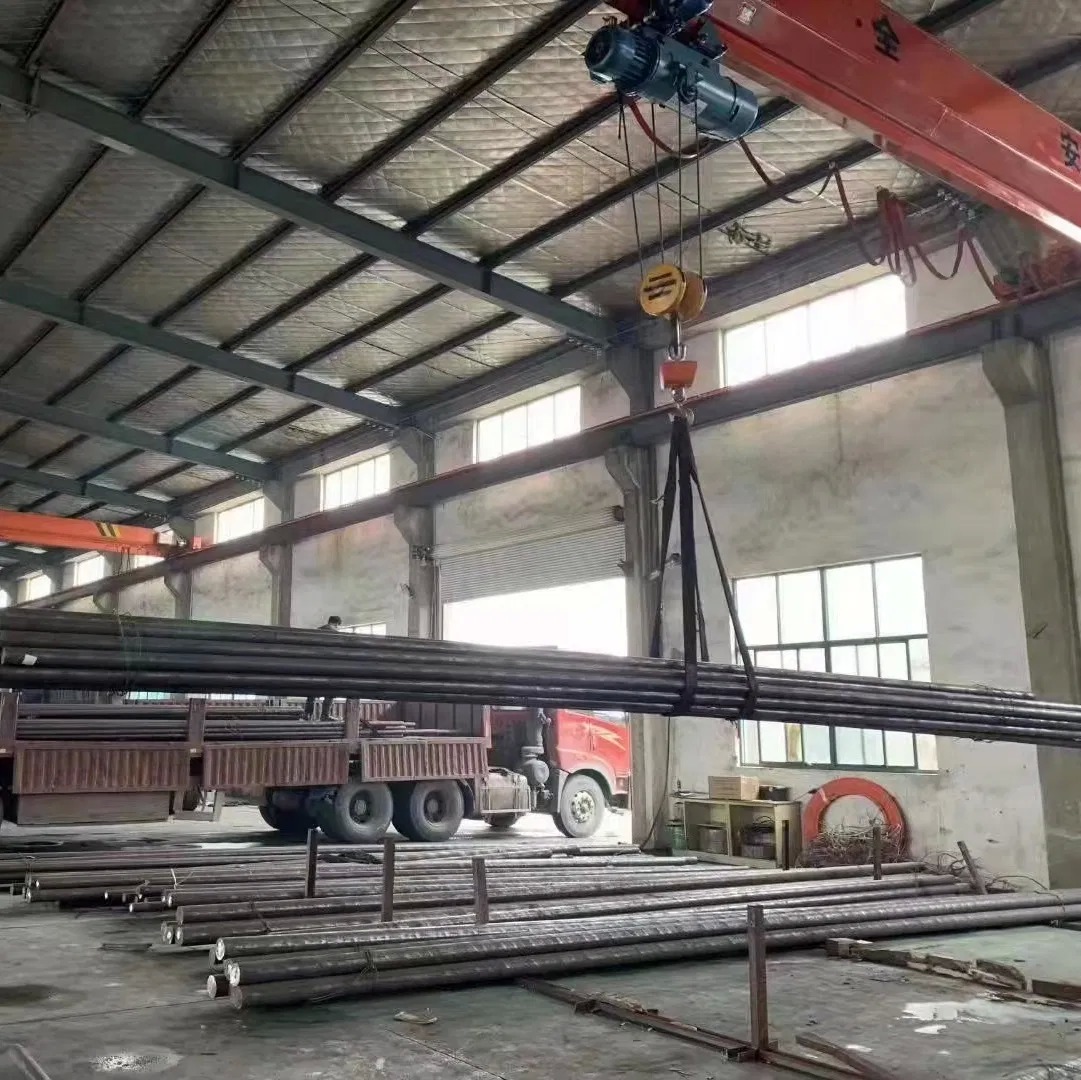
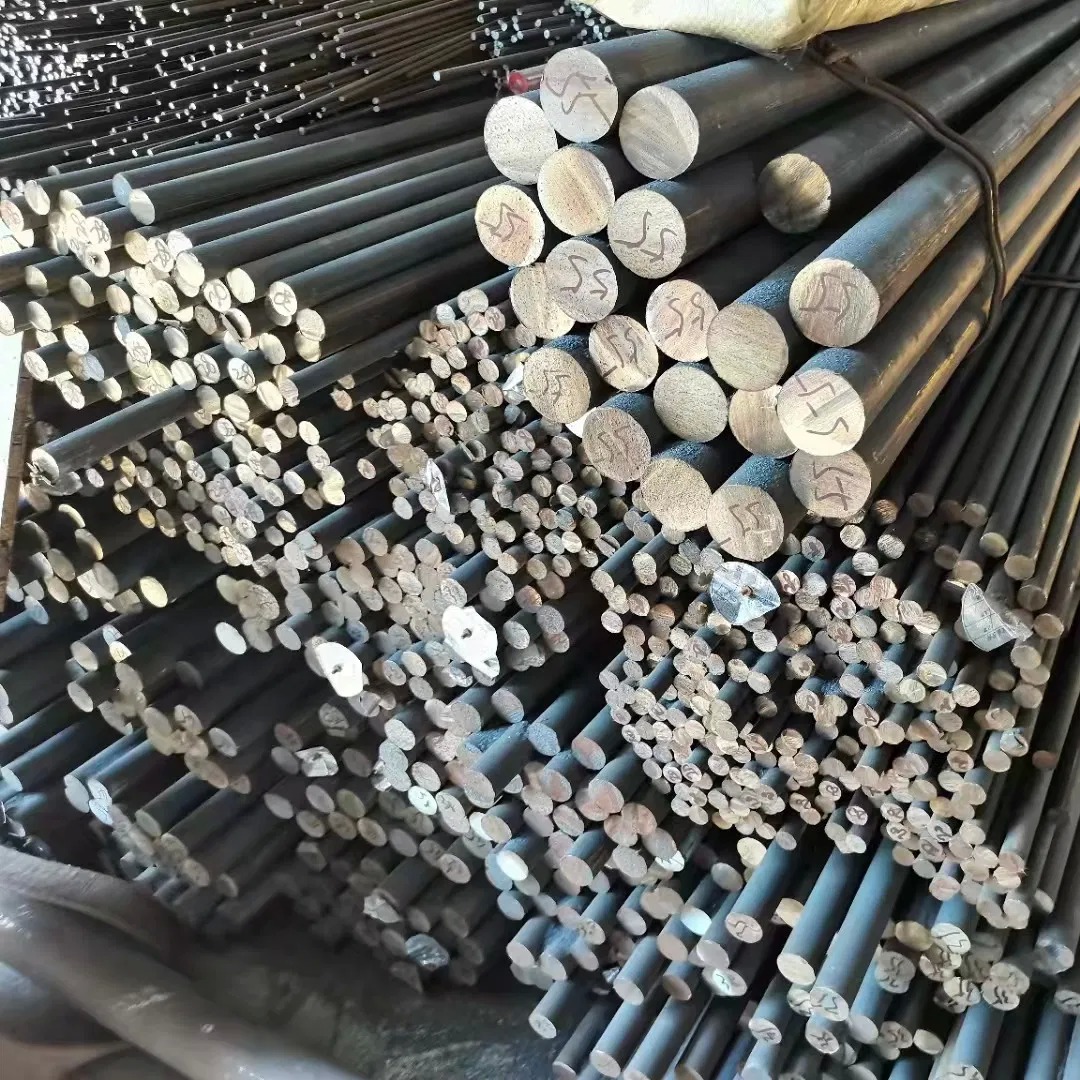
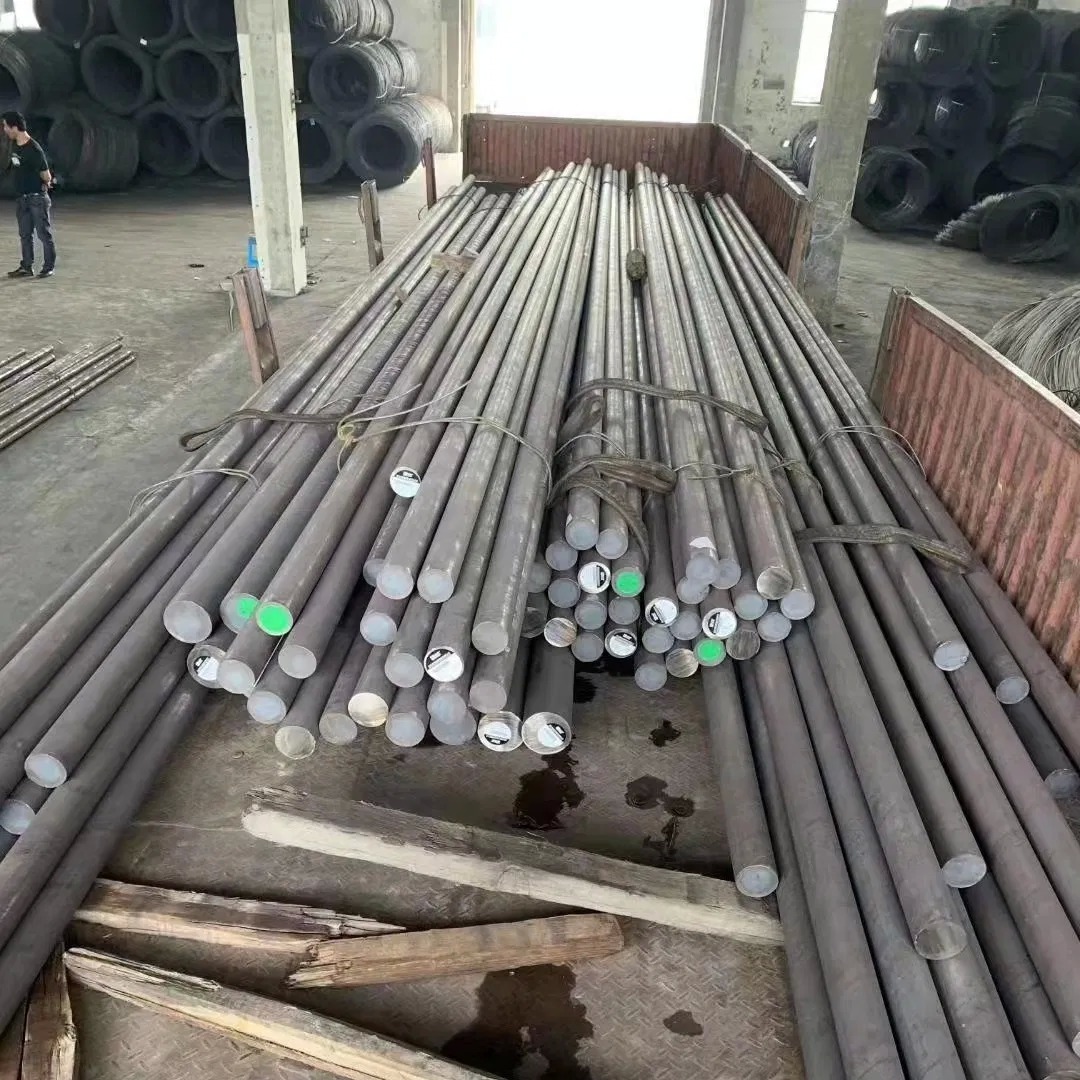
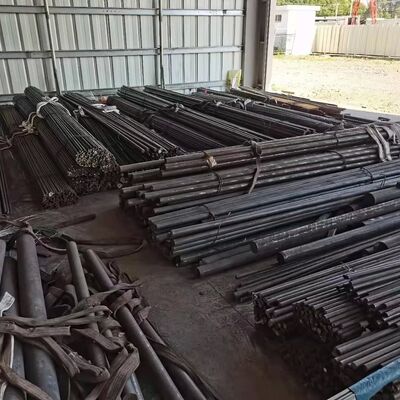
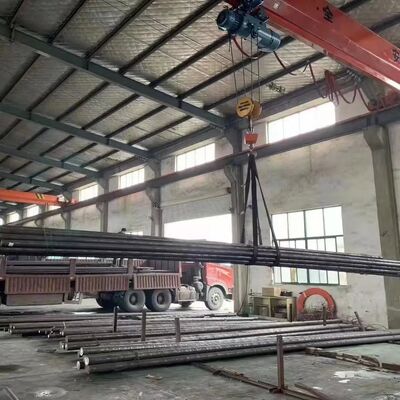
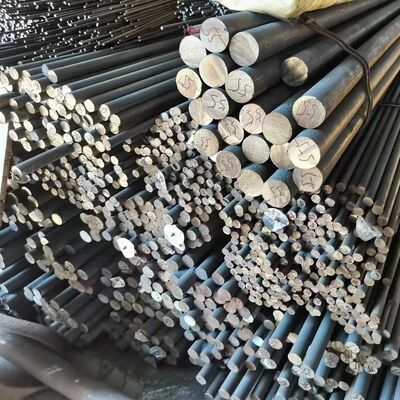
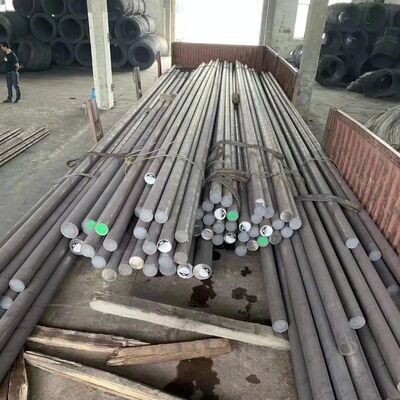
Product Details
| Model Number | 316L | Shape | Round |
|---|---|---|---|
| Technique | Cold Rolled | Surface Treatment | Bright |
| Diameter Range | 8 - 300mm | Length | 6m/pcs |
| Carbon Content | 0.03% Max | Manganese Content | 2.0% Max |
| Silicon Content | 0.75% Max | Chromium Content | 16.0 - 18.0% |
| Molybdenum Content | 2.00 - 3.00% | Nickel Content | 10.0 - 14.0% |
| Tensile Strength | 485 MPa Min | Yield Strength | 170 MPa Min |
| Elongation | 40% Min | ||
| Highlight | Hot Rolled Stainless Steel Round Bar,Grade 316L SS Round Bar,Diameter 8-120mm 316L Stainless Steel Bar |
||
Product Description
Diameter 8-120mm Hot Rolled Stainless Steel Round Bar Grade 316L
Product Specifications
| Product | Stainless Steel Round Bar |
| Grade | 316L / 1.4404 / AISI316L |
| Standard | ASTM A276/276M |
| Diameter | 8 - 300mm |
| Length | 6m/pcs or custom cutting available |
| Surface | Black, bright |
| Other Grades | 304, 310S, 316L, 317L, 321, 410, 420, 431, 440A/B/C, 2205, 2507, 630, 631, 904L, etc. |
| Services | Cutting, polishing, heat treatment |
Stainless Steel Bar Product Range
| Product Name | Size Range | Main Grades |
|---|---|---|
| Stainless Steel Round Bar (hot rolled black surface) | 8 - 300mm | 304, 304L, 309S, 310S, 316L, 316Ti, 317L, 321, 347, 410, 420, 431, 440A/B/C, 2205, 2507, 904L, 254SMO, 17-4PH, 17-7PH, etc. |
| Stainless Steel Round Bar (bright polished) | 3 - 50mm | 201, 304, 316L, 310S, 2205, 630, etc. |
| Stainless Steel Square Bar | 4×4 - 50×50mm | 201, 304, 316L, 310S, 410, 420, etc. |
| Stainless Steel Hexagon Bar | S4-S70 | 201, 304, 316L, 310S, 410, 420, etc. |
| Stainless Steel Flat Bar | 10×3 - 100×40mm | 304, 304L, 309S, 310S, 316L, 316Ti, 317L, 321, 347, 410, 420, 431, 440A/B/C, 2205, 2507, 904L, 254SMO, 17-4PH, 17-7PH, etc. |
| Stainless Steel Angle Bar | 30×30 - 200×200mm | 201, 304, 316L, 310S, 2205, etc. |
| Stainless Steel Channel Bar | 50×25 - 200×100mm | 201, 304, 316L, 310S, 2205, etc. |
About 316L Stainless Steel
Grade 316 is the standard molybdenum-bearing austenitic stainless steel, second in importance to 304. The molybdenum content provides 316 with superior corrosion resistance compared to Grade 304, particularly offering higher resistance to pitting and crevice corrosion in chloride environments.
Grade 316L is the low carbon version of 316, making it immune from sensitization (grain boundary carbide precipitation). This makes it extensively used in heavy gauge welded components (over approximately 6mm). The austenitic structure provides excellent toughness, even at cryogenic temperatures.
Chemical Composition
Table 1: Composition Ranges for 316L Stainless Steel
| Element | Minimum (%) | Maximum (%) |
|---|---|---|
| Carbon (C) | - | 0.03 |
| Manganese (Mn) | - | 2.0 |
| Silicon (Si) | - | 0.75 |
| Phosphorus (P) | - | 0.045 |
| Sulfur (S) | - | 0.03 |
| Chromium (Cr) | 16.0 | 18.0 |
| Molybdenum (Mo) | 2.00 | 3.00 |
| Nickel (Ni) | 10.0 | 14.0 |
| Nitrogen (N) | - | 0.10 |
Mechanical Properties
Table 2: Mechanical Properties of 316L Stainless Steel
| Property | Value |
|---|---|
| Tensile Strength (MPa) min | 485 |
| Yield Strength 0.2% Proof (MPa) min | 170 |
| Elongation (% in 50mm) min | 40 |
| Rockwell B (HR B) max | 95 |
| Brinell (HB) max | 217 |
Grade Specification Comparison
Table 3: International Grade Equivalents
| Standard | Designation |
|---|---|
| UNS | S31603 |
| British Standard | 316S11 |
| Euronorm | 1.4404 |
| Euronorm Name | X2CrNiMo17-12-2 |
| Swedish SS | 2348 |
| Japanese JIS | SUS 316L |
Corrosion Resistance
Excellent performance in various atmospheric environments and corrosive media - generally more resistant than 304. Subject to pitting and crevice corrosion in warm chloride environments, and stress corrosion cracking above approximately 60°C. Resistant to potable water with up to about 1000 mg/L chlorides at ambient temperatures, reducing to about 500 mg/L at 60°C.
316 is typically regarded as the standard "marine grade stainless steel," though it is not resistant to warm seawater. In many marine environments, 316 may exhibit surface corrosion, usually visible as brown staining, particularly in crevices and areas with rough surface finish.
Heat Resistance
Good oxidation resistance in intermittent service to 870°C and in continuous service to 925°C. Continuous use of 316 in the 425-860°C range is not recommended if subsequent aqueous corrosion resistance is important. Grade 316L offers superior resistance to carbide precipitation and can be used within this temperature range.
Heat Treatment
Solution Treatment (Annealing) - Heat to 1010-1120°C and cool rapidly. These grades cannot be hardened by thermal treatment.
Welding
Excellent weldability by all standard fusion and resistance methods, both with and without filler metals. Heavy welded sections in Grade 316 require post-weld annealing for maximum corrosion resistance, which is not required for 316L. 316L stainless steel is not generally weldable using oxyacetylene welding methods.
Machining
316L stainless steel tends to work harden if machined too quickly. Low speeds and constant feed rates are recommended for optimal results. The lower carbon content of 316L makes it easier to machine compared to standard 316 stainless steel.
Hot and Cold Working
316L stainless steel can be hot worked using common techniques, with optimal temperatures ranging from 1150-1260°C (minimum 930°C). Post-work annealing should be performed to maximize corrosion resistance. Most cold working operations including shearing, drawing, and stamping can be performed, with post-work annealing recommended to remove internal stresses.
Hardening and Work Hardening
316L stainless steel does not harden through heat treatments but can be hardened by cold working, resulting in increased strength.
Applications
- Food preparation equipment in chloride environments
- Pharmaceutical equipment
- Marine applications
- Architectural components
- Medical implants including pins, screws, and orthopedic implants
- Total hip and knee replacements
- Fasteners and hardware
Product Images

Recommended Products