


모든 제품
-
 라이안 이오네스쿠매우 좋은 소재 품질. 우리는 10년 이상을 협력하게 합니다. 그들은 강철 소재의 다량 종류를 거래합니다. 좋은 모든 소재 품질. 그들 모든 소재 품질을 위한 의무. 우리는 활공하고 있고 계속되고 미래에 그들과 협력합니다
정밀 스테인리스 스틸 스트립 SUS304, 304, 1.4301 SS 스트립 코일 EN10204-3.1 인증
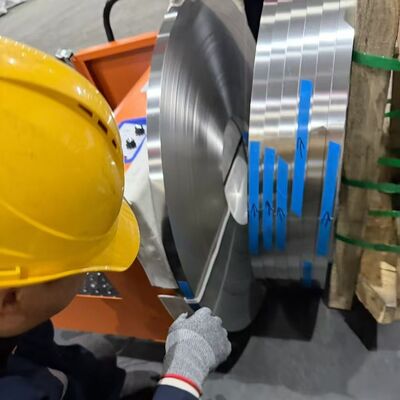


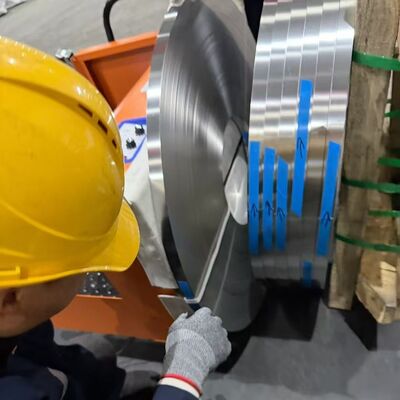
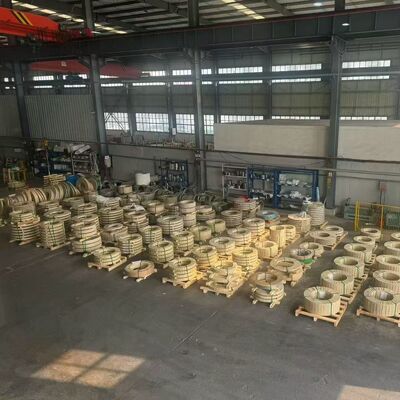
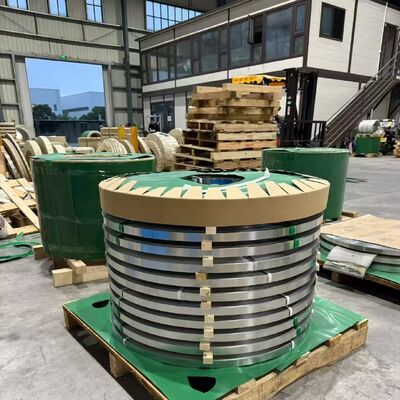
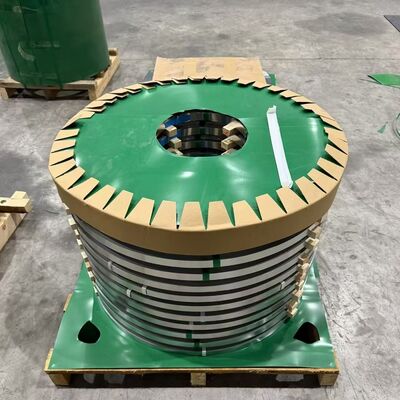
제품 상세 정보
| 제품 | 스테인레스 스틸 스트립 | 두께 | 0.1-3.0mm |
|---|---|---|---|
| 너비 | 1219mm 이내 | MOQ | 20 크그스 |
| 등급 | 200 시리즈 300 시리즈 300 시리즈 | 표면 | BA 2B No.4 HL 8K No.1 |
| 기준 | astm en gb jis | 포장 | 나무 프레임 및 방수 용지 |
| 강조하다 | SUS304 스테인레스강 스트립,304개의 스테인레스 강 초박판 코일,EN10204-3.1 인증 강철 스트립 |
||
제품 설명
정밀도 스테인리스 지구 급료 SUS304, 304, 증명서를 주는 1.4301 SS 지구 코일 EN10204-3.1
| 제품 | 스테인레스 스틸 스트립 |
| 두께 | 0.1-3.0mm |
| 너비 | 최소 너비 5mm |
| MOQ | 20kg |
| 주요 학년 | 201 301 304 304L 309S 310S 316L 316Ti 410 420 430 436 439 441 444 440A/B/C,2205,2507,904L,C276,400,600,625,926,825.etc |
| 표면 | 학사 2B |
| 기준 | ASTM EN GB JIS |
| 포장 | 나무 프레임과 방수 종이 |
정밀 스테인레스 스틸 스트립 - SUS304 / 304 / 1.4301 등급: EN 10204 3.1 인증을 받은 고품질 SS 스트립 코일
스테인리스강은 뛰어난 내식성, 기계적 강도, 성형성 및 미적 매력으로 인해 현대 산업 응용 분야에서 가장 다양하고 널리 사용되는 재료 중 하나입니다. 다양한 스테인레스 스틸 등급 중에서SUS304(국제적으로 AISI 304 또는 EN 1.4301로도 알려짐)가장 일반적이고 신뢰할 수 있는 오스테나이트계 스테인리스강으로 알려져 있습니다. 이 등급으로 제작된 정밀 스테인리스 스틸 스트립은 전자, 자동차, 의료 기기, 식품 가공 등 다양한 분야에서 필수적인 부품입니다. 이 스트립이 코일 형태로 공급되고 다음과 함께 제공되는 경우EN 10204 3.1 인증, 중요한 응용 분야에 필요한 엄격한 품질 보증 표준을 충족합니다.
재료 개요: SUS304 / 304 / 1.4301
SUS304는 JIS(일본 산업 표준) 지정이고, 304는 AISI(미국 철강 협회) 명명법이며, 1.4301은 DIN/EN 시스템에 따른 유럽 표준(EN) 번호입니다. 서로 다른 명명 규칙에도 불구하고 세 가지 모두 동일한 기본 합금 구성을 나타냅니다.
- 크롬(Cr):18~20%
- 니켈(Ni):8~10.5%
- 탄소(C):≤ 0.07%
- 망간(Mn):2.0% 이하
- 실리콘(Si):1.0% 이하
- 인(P):≤ 0.045%
- 황(S):≤ 0.030%
- 철(Fe):균형
이 구성은 내식성, 용접성 및 연성의 최적 균형을 제공합니다. 크롬의 존재는 표면에 산화 및 화학적 공격으로부터 보호하는 수동 산화물 층을 형성하는 반면, 니켈은 오스테나이트 구조를 안정화시켜 극저온에서도 탁월한 인성을 보장합니다.
정밀 스테인레스 스틸 스트립: 정의 및 특성
정밀 스테인레스 스틸 스트립은 매우 엄격한 치수 공차(종종 두께 ±0.005mm, 너비 ±0.05mm 이내)로 제조된 냉간 압연 제품입니다. 이 스트립의 두께는 일반적으로0.05mm ~ 3.0mm그리고 너비는5mm ~ 600mm, 하지만 애플리케이션 요구 사항에 따라 맞춤 측정기준을 사용할 수 있습니다.
정밀 SUS304 스트립의 주요 특징은 다음과 같습니다.
- 높은 표면 품질:최종 사용 요구 사항에 따라 2B, BA(광택 소둔), No.4, 거울 광택 등 다양한 마감재로 제공됩니다.
- 우수한 성형성:딥 드로잉, 벤딩, 스탬핑 및 기타 2차 제조 공정에 이상적입니다.
- 일관된 기계적 성질:인장 강도는 일반적으로 515~720 MPa 범위이고 신장률은 40~60%로 동적 응용 분야에서 신뢰성을 보장합니다.
- 비자성(어닐링 상태):자기 간섭을 피해야 하는 전자 및 센서 기반 애플리케이션에 중요합니다.
산업 전반에 걸친 응용
SUS304 정밀 스트립의 다양성으로 인해 광범위한 산업 분야에서 사용할 수 있습니다.
- 전자 및 전기공학:전도성 안정성과 내식성으로 인해 커넥터, 단자, 배터리 탭, 차폐 부품 및 유연한 인쇄 회로에 사용됩니다.
- 자동차:열 순환 시 내구성이 중요한 연료 분사 시스템, 센서, 개스킷 및 배기 부품에 사용됩니다.
- 의료 기기:생체적합성 및 멸균성으로 인해 수술 기구, 이식형 부품(비내력) 및 진단 장비에 이상적입니다.
- 식품 및 음료 가공:컨베이어 벨트, 절단 블레이드 및 포장 기계에 사용되는 위생 표준(예: FDA, EC1935/2004)을 준수합니다.
- 항공우주 및 방위:비구조적이지만 대기 및 약한 화학물질 노출에 대한 내성이 요구되는 고신뢰성 부품에 사용됩니다.
EN 10204 3.1 인증: 추적성 및 규정 준수 보장
규제 대상이거나 안전이 중요한 응용 분야를 위한 정밀 스테인레스 스틸 스트립 소싱의 가장 중요한 측면 중 하나는 재료 인증입니다. 그만큼EN 10204 표준금속 제품과 함께 제공되는 검사 문서의 유형을 정의합니다. 그 분류 중에는,유형 3.1상업 거래에 있어서 가장 포괄적인 것입니다.
안EN 10204 3.1 인증서제조업체에서 발행하며 다음을 포함합니다.
- 공급된 재료의 비열 또는 배치에 대한 실제 테스트 결과(화학적 조성 및 기계적 특성)입니다.
- 제품이 주문의 기술 사양(예: ASTM A240, EN 10088-2)을 준수하는지 확인합니다.
- 공인 품질 관리 담당자가 서명한 제조업체의 적합성 선언입니다.
- 용융 수 또는 열 ID에 대한 추적성을 통해 공급망 전반에 걸쳐 전체 자재 추적이 가능합니다.
이 수준의 문서화는 압력 장비(PED 2014/68/EU), 원자력, 제약, 항공우주 등 실패가 허용되지 않는 산업에서 필수입니다. 이는 해당 소재가 단지 주장만 하는 것이 아니라 독립적으로 검증되어 국제 표준을 충족했음을 구매자에게 보장합니다.
제조 공정 및 품질 관리
정밀 SUS304 스트립을 생산하려면 여러 단계가 필요합니다.
- 용해 및 주조:원자재는 전기로(EAF)에서 용해되고 아르곤 산소 탈탄(AOD)을 통해 정제되어 정밀한 화학을 달성합니다.
- 열간압연:슬래브는 고온에서 가열되어 더 얇은 코일로 압연됩니다.
- 냉간 압연:향상된 표면 마감 및 기계적 특성을 갖춘 최종 두께를 얻기 위해 실온에서 수행됩니다.
- 어닐링 및 산세:열처리는 내부 응력을 완화하고 연성을 회복합니다. 산세척은 스케일과 불순물을 제거합니다.
- 슬리팅 및 절단:마스터 코일은 정확한 고객 너비에 맞게 절단되며 시트로 절단되거나 추가 처리(예: 가장자리 라운딩, 장력 조절)될 수 있습니다.
- 검사 및 테스트:모든 배치는 화학 분석, 인장 테스트, 경도 측정, 표면 검사, 치수 검증 등 엄격한 검사를 거칩니다.
고급 시설에서는 미크론 수준의 정확도를 보장하기 위해 자동 광학 검사(AOI) 시스템과 레이저 마이크로미터를 사용하는 경우가 많습니다.
인증된 SUS304 정밀 스트립 선택의 장점
- 신뢰할 수 있음:일관된 성능으로 불량률과 생산 중단 시간을 줄입니다.
- 규정 준수:글로벌 표준(ASTM, JIS, EN, ISO)을 충족하여 국제 무역을 촉진합니다.
- 공급망 투명성:완전한 추적성은 품질 감사 및 위험 완화를 지원합니다.
- 사용자 정의:제조업체는 특정 자동화 라인에 맞게 템퍼(예: 1/4H, 1/2H, H), 모서리 유형(슬릿, 디버링, 원형) 및 포장(수평/수직 코일, 인터리브 용지)을 맞춤화할 수 있습니다.

추천된 제품