すべての製品
-
ステンレス鋼のストリップ
-
ステンレス鋼 シート
-
ステンレス鋼の版
-
ステンレス鋼の管
-
ステンレス鋼棒
-
電流を通された鋼鉄コイル
-
鋼板
-
鋼鉄丸棒
-
ニッケル合金
-
継ぎ目が無い鋼管
-
ステンレス鋼のビーム
-
銅版シート
-
銅の丸棒
-
stainless steel round bar
-
stainless steel channel bar
-
stainless steel angle bar
-
stainless steel coil strip
-
stainless steel flat bar
-
stainless steel circle
-
Pipe Fitting
-
Water Ripple Stainless Steel Sheet
-
Nickel Alloy and Super Alloy
-
cold rolled steel coil
-
copper
-
Nickel Base Alloy Products
-
Others
-
Raian Ionescuよい物質的な質非常に。私達は協力することを持っている10年以上。それらはロットの種類の鋼鉄材料を交換する。よいすべての物質的な質。それらすべての物質的な質のための義務。私達はそれらに将来協力し続けるために平になっている
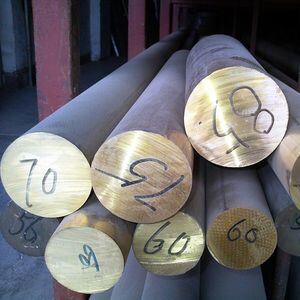
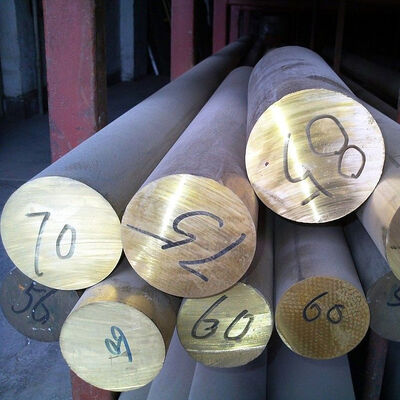
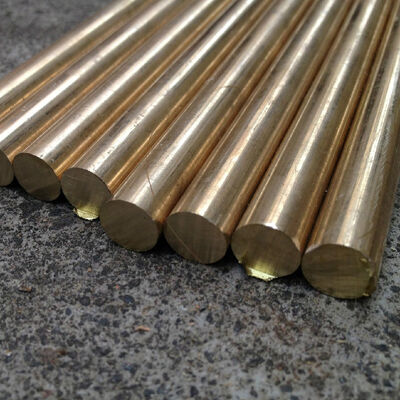
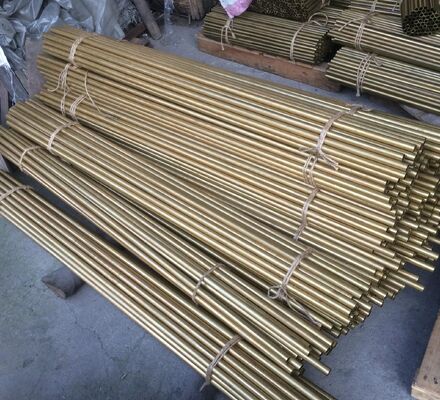
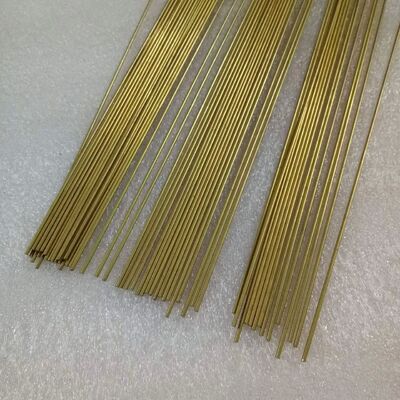
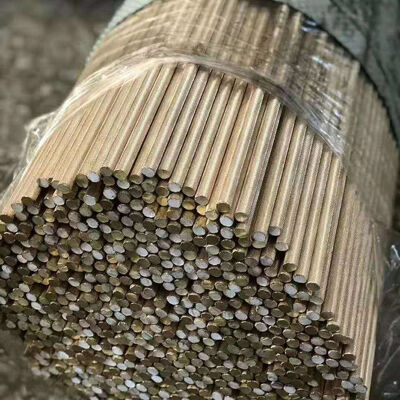
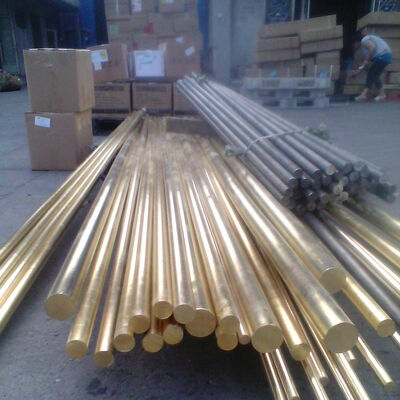
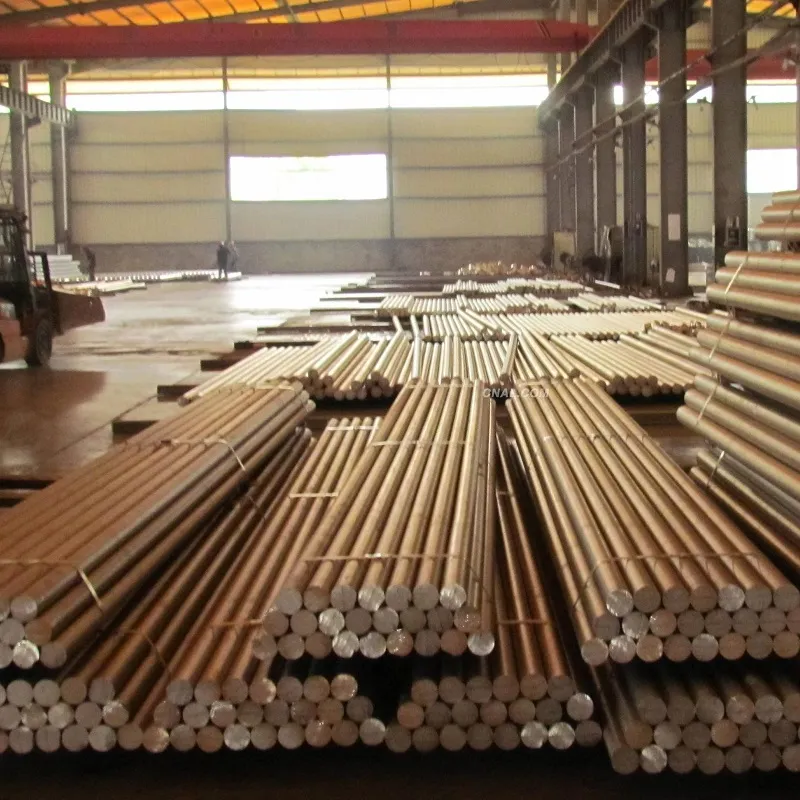
C38500 / CuZn39Pb3 / 2.0401 Brass Bar with 5 - 180mm Diameter and ASTM Standard for Industrial Use
商品の詳細
| 型番 | C38500 / CuZn39Pb3 / 20401 | 直径 | 5~180mm |
|---|---|---|---|
| 他の形 | 平型、正方形、六角形 | 密度 | 8.5g/cm3 |
| 硬度 | 1/16ハード、1/8ハード、3/8ハード、1/4ハード、1/2ハード、フルハード、ソフト | 長さ | 500~6000mm |
| 銅含有量 | 55.0~60.0% | リードコンテンツ | 1.5~3.0% |
| 亜鉛含有量 | 残り | 融点 | 875℃~890℃ |
| 熱膨張係数 | 20.9×10^-6/℃(20~300℃) | 熱伝導率 | 121W/分。 °K @ 20°C |
| 電気伝導率 | 0.162 マイクロオーム^-1.cm^-1 @ 20°C | 弾性率 | 96 GPa @ 20°C |
| 抗張力 | 380 MPa | ||
| ハイライト | C38500 / CuZn39Pb3 / 2.0401 Brass Bar,5 - 180mm Diameter Brass Rod,ASTM Standard 380 Alloy Brass Bar |
||
製品の説明
C38500 / CuZn39Pb3 / 2.0401 Brass Bars Yellow Copper Round Bar / 380 Alloy Brass Bar
Product Specification
| Product | Brass Bar, Brass Rod, Brass Shaft, Brass Stick |
|---|---|
| Standard | ASTM, AISI, EN, BS, JIS, GB/T, BSI, AS/NZS, ISO, etc. |
| Material | H96, H90, H85, H80, H70, H68, H65, H63, H62, H60, C21000, C22000, C23000, C24000, C26000, C26800, C27000, C27200, C28000, C35000, etc. Or as required |
| Surface | Mill, polished, bright, oiled, or as required |
| Density | 8.5 g/cm³ |
| Diameters | 1-200 mm |
| Hardness | 1/16 hard, 1/8 hard, 3/8 hard, 1/4 hard, 1/2 hard, full hard, soft, etc. |
| Shape | Square, Rectangular, Round |
| Length | 500-6000 mm, or as required |
| Package | Standard Sea-worthy package, fixed by belt then loaded into fumigated wooden box |
| Container Size | 20Gp - 2.352(width) × 2.385(Height) × 5.90(Inside length) Meter 40Gp - 2.352(width) × 2.385(Height) × 11.8(Inside length) Meter 40HQ - 2.352(width) × 2.69(Width) × 5.90(Inside length) Meter |
| Port of Shipment | Tianjin Xingang port, Qingdao port, Shanghai port, Ningbo port, Guangzhou port, etc. |
Material Description
Brass 380 is a high-strength alloy with excellent machining and corrosion resistance properties. It features great mechanical properties and good heat treatment characteristics, and can be welded or brazed relatively readily. This versatile alloy is used in various applications for its superior performance, including manufacturing components for industrial machinery, plumbing fixtures, electrical equipment, and more.
380 Brass Composition
Brass 380 consists of copper (55%), zinc (38%), and lead (7%). The addition of lead allows for greater strength without sacrificing machinability. It also improves the mechanical properties and increases corrosion resistance compared to other brass alloys. Due to lead content, Brass 380 is not suitable for food or water applications.
| Element | Min (%) | Max (%) |
|---|---|---|
| Copper | 55.0 | 60.0 |
| Lead | 1.5 | 3.0 |
| Iron | - | 0.30 |
| Aluminium | 0.10 | 0.60 |
| Zinc | - | Remainder |
380 Brass Chemical Properties
Brass 380 offers an excellent combination of strength, ductility, and corrosion resistance. It is malleable and can be readily worked into intricate shapes through forging and pressing. When heat-treated, Brass 380 gains even greater strength, making it desirable for applications requiring superior tensile strength. The copper and zinc composition provides resistance to corrosion in many acids and liquid environments, while the lead content enhances wear resistance.
380 Brass Mechanical Properties
| Temper | Tensile Strength Minimum (MPa) | Elongation Minimum (%) | Hardness Maximum (HV) |
|---|---|---|---|
| AS1567, Wrought Rods, Bars & Sections | 380 | 12 | 110 |
380 Brass Physical Properties
| Physical Property | Metric Units | Imperial Units |
|---|---|---|
| Melting Point (Liquidus) | 890°C | 1635°F |
| Melting Point (Solidus) | 875°C | 1610°F |
| Density | 8.47 gm/cm³ @ 20°C | 0.306 lb/in³ @ 68°F |
| Specific Gravity | 8.47 | 8.47 |
| Coefficient of Thermal Expansion | 20.9 × 10⁻⁶/°C (20-300°C) | 11.0 × 10⁻⁶/°F (68-392°F) |
| Thermal Conductivity | 121 W/m·°K @ 20°C | 70 BTU/ft³/ft/hr/°F @ 68°F |
| Thermal Capacity (Specific Heat) | 377 J/kg·°K @ 20°C | 0.09 BTU/lb/°F @ 68°F |
| Electrical Conductivity | 0.162 microhm⁻¹·cm⁻¹ @ 20°C | 28% IACS |
| Electrical Resistivity | 6.16 microhm·cm @ 20°C | 38 ohms (circ mil/ft) @ 68°F |
| Modulus of Elasticity (tension) | 96 GPa @ 20°C | 14.2 × 10⁶ psi @ 68°F |
| Modulus of Rigidity (torsion) | 36 GPa @ 20°C | 5.3 × 10⁶ psi @ 68°F |
| Poisson's Ratio | 0.34 | 0.34 |
380 Brass Equivalent Standards
- UNS C38010
- ISO CuZn43Pb3
- BSI CZ121
380 Brass Applications
Brass 380 is widely used in manufacturing components for industrial machinery such as pumps, valves, fittings, aircraft parts, marine hardware, electrical equipment housing components, and many other products requiring reliable strength with good corrosion resistance.
- Ammunition components due to durability and high corrosion resistance
- Musical instruments for clear, crisp sound production
- Plumbing applications for corrosion resistance and high temperature tolerance
- Electrical applications as an excellent conductor of electricity
- Decorative purposes with shiny, golden appearance
- Coin manufacturing for durability and wear resistance
- Bearing production with low friction coefficient and wear resistance
- Jewelry making as hypoallergenic and tarnish-resistant material
- Medical implants due to biocompatibility
- Model trains for strength, durability, and lightweight properties
Corrosion Resistance
This alloy does not corrode easily in fresh water or salt water environments, making it well-suited for use in these applications as well as those exposed to chemical compounds like fertilizers or acids.
Heat Treatment
Brass 380 can be hardened by heat treatment, increasing its strength while maintaining formability. The most common method involves heating to 815°C followed by rapid quenching in cold water or oil, then tempering at temperatures between 200°C-400°C depending on the desired hardness level.
Machining
The machinability of Brass 380 is excellent—it can be cut easily using conventional machine tools such as lathes or milling machines without requiring special cutting tools.
Welding
Brass 380 welding is a cost-effective, reliable method of joining components. It offers superior joint strength, improved corrosion resistance, and increased aesthetic appeal. High-skilled welders typically use an oxyacetylene gas torch for precise control, with post-weld finishing processes to improve surface finish.
Heat Resistance
Brass 380 has impressive capability to tolerate heat, withstanding extreme temperatures without breaking down or becoming brittle. This makes it suitable for applications ranging from architectural trimmings to medical instruments.
Product Images
推薦されたプロダクト