


Όλα τα Προϊόντα
-
Λουρίδα ανοξείδωτου
-
Φύλλο ανοξείδωτου
-
Πιάτο ανοξείδωτου
-
σωλήνας ανοξείδωτου
-
Φραγμός ανοξείδωτου
-
Γαλβανισμένη σπείρα χάλυβα
-
Πιάτο χάλυβα
-
χάλυβας γύρω από το φραγμό
-
κράμα νικελίου
-
Χωρίς συγκόλληση σωλήνας χάλυβα
-
Ακτίνα ανοξείδωτου
-
Φύλλο πιάτων χαλκού
-
Χαλκός γύρω από το φραγμό
-
Στρογγυλή μπάρα από ανοξείδωτο χάλυβα
-
Μπάρα καναλιού από ανοξείδωτο χάλυβα
-
Ράβδος γωνίας από ανοξείδωτο χάλυβα
-
Τρίχωμα περιτυλίγματος από ανοξείδωτο χάλυβα
-
Επίπεδη μπάρα από ανοξείδωτο ατσάλι
-
Κύκλος από ανοξείδωτο χάλυβα
-
Τοποθέτηση σωλήνων
-
Φύλλο από ανοξείδωτο χάλυβα Water Ripple
-
Σύνθεση νικελίου και υπερσύνθεση
-
Πηνίο από χάλυβα ψυχρής έλασης
-
Χαλκός
-
Προϊόντα από κράματα βάσης νικελίου
-
Άλλοι
-
 Raian IonescuΥλική ποιότητα πολύ υψηλή. πρέπει να συνεργαστούμε περισσότερο από 10 έτη. Ανταλλάσσουν τα είδη μερών υλικού χάλυβα. Όλο το υλικό ποιοτικό αγαθό. Αυτοί δασμός για όλη την υλική ποιότητα. Πλανίζουμε συνεχιζόμαστε συνεργαζόμαστε με τους στο μέλλον
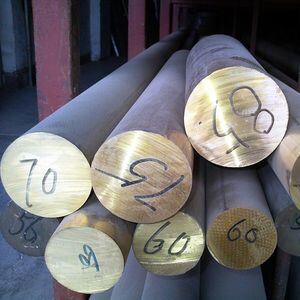
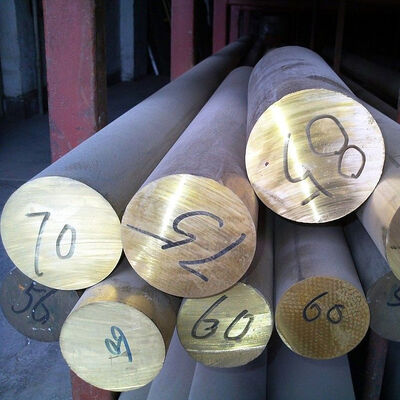
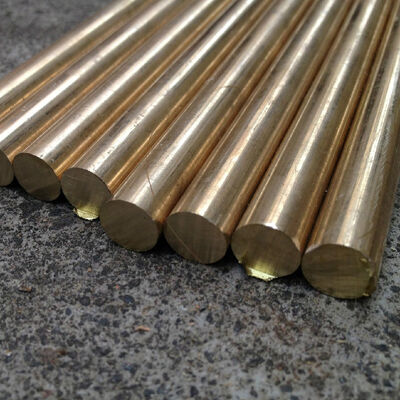
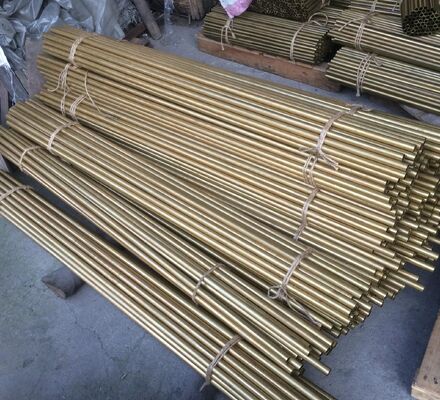
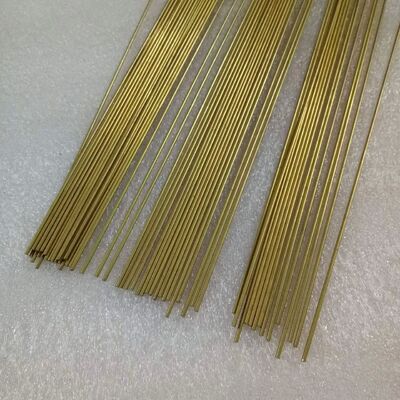
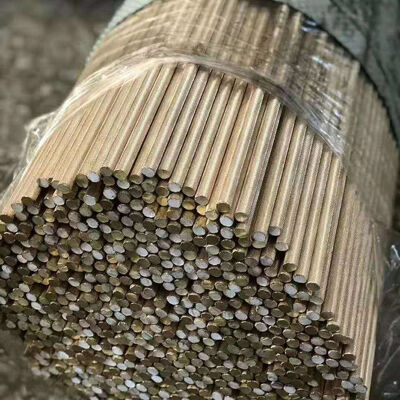
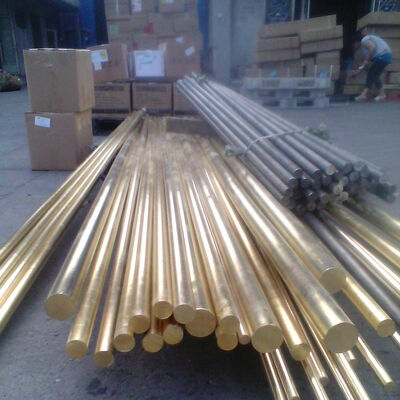
Μπάρα ορείχαλκου C38500 / CuZn39Pb3 / 2.0401 με διάμετρο 5 - 180mm και πρότυπο ASTM για βιομηχανική χρήση


Λεπτομέρειες
| Μοντέλο ΑΡΙΘ. | C38500 / CuZn39Pb3 / 2.0401 | Διάμετρος | 5 - 180 mm |
|---|---|---|---|
| Άλλη μορφή | Επίπεδη, Τετράγωνη, Εξαγωνική | Πυκνότητα | 8.5g/cm3 |
| Σκληρότητα | 1/16 σκληρό, 1/8 σκληρό, 3/8 σκληρό, 1/4 σκληρό, 1/2 σκληρό, πλήρες σκληρό, μαλακό | Μήκος | 500-6000mm |
| Περιεκτικότητα σε χαλκό | 55,0 - 60,0% | Περιεχόμενο μολύβδου | 1,5 - 3,0% |
| Περιεκτικότητα σε ψευδάργυρο | υπόλοιπο | Σημείο Τήξης | 875°C - 890°C |
| Συντελεστής Θερμικής Διαστολής | 20,9 x 10^-6 / °C (20-300°C) | Θερμική αγωγιμότητα | 121 W/m. °K @ 20°C |
| Ηλεκτρική αγωγιμότητα | 0,162 microhm^-1,cm^-1 @ 20°C | Μέτρο Ελαστικότητας | 96 GPa @ 20°C |
| Αντοχή εφελκυσμού | 380 MPa | ||
| Επισημαίνω | C38500 / CuZn39Pb3 / 2.0401 Brass Bar,Ράβδος ορείχαλκου διαμέτρου 5 - 180 mm,ASTM Standard 380 Alloy Brass Bars |
||
Περιγραφή προϊόντων
C38500 / CuZn39Pb3 / 2.0401 Άξονες ορείχαλκου Κίτρινη στρογγυλή μπάρα χαλκού / 380 Άλλαγμα ορείχαλκου
Προδιαγραφή του προϊόντος
| Προϊόν | Μεταλλική ράβδος, μεταλλική ράβδος, μεταλλικός άξονας, μεταλλική ράβδος |
|---|---|
| Τύπος | ΑΣTM, AISI, EN, BS, JIS, GB/T, BSI, AS/NZS, ISO κλπ. |
| Υλικό | H96, H90, H85, H80, H70, H68, H65, H63, H62, H60, C21000, C22000, C23000, C24000, C26000, C26800, C27000, C27200, C28000, C35000, κλπ. Ή όπως απαιτείται. |
| Επιφάνεια | Άλλες συσκευές για την κατασκευή ή την κατασκευή οχημάτων |
| Σφιχτότητα | 8.5 g/cm3 |
| Διάμετρος | 1-200 mm |
| Σκληρότητα | 1/16 σκληρή, 1/8 σκληρή, 3/8 σκληρή, 1/4 σκληρή, 1/2 σκληρή, πλήρης σκληρή, μαλακή, κλπ. |
| Σχήμα | Τετράγωνο, ορθογώνιο, στρογγυλό |
| Διάρκεια | 500-6000 mm, ή όπως απαιτείται |
| Πακέτο | Τυποποιημένη συσκευασία, κατάλληλη για χρήση στη θάλασσα, που στερεώνεται με ζώνη και στη συνέχεια φορτώνεται σε φουμιγμένο ξύλινο κουτί |
| Μέγεθος δοχείου | 20Gp - 2.352 ((ευρύτητα) × 2.385 ((ύψος) × 5.90 ((μέγεθος στο εσωτερικό) Μέτρο 40Gp - 2.352 ((εύρος) × 2.385 ((ύψος) × 11.8 ((μέγεθος στο εσωτερικό) Μέτρο 40HQ - 2.352 ((ευρύτητα) × 2.69 ((ευρύτητα) × 5.90 ((εσωτερικό μήκος) Μέτρο |
| Λιμάνι αποστολής | Το λιμάνι Tianjin Xingang, το λιμάνι Qingdao, το λιμάνι Shanghai, το λιμάνι Ningbo, το λιμάνι Guangzhou κλπ. |
Περιγραφή του υλικού
Το χαλκό 380 είναι ένα κράμα υψηλής αντοχής με εξαιρετικές ιδιότητες επεξεργασίας και αντοχής στη διάβρωση.και μπορεί να συγκολληθεί ή να συγκολληθεί σχετικά εύκολαΑυτό το ευέλικτο κράμα χρησιμοποιείται σε διάφορες εφαρμογές για την ανώτερη απόδοσή του, συμπεριλαμβανομένων κατασκευαστικών εξαρτημάτων για βιομηχανικά μηχανήματα, υδραυλικά, ηλεκτρικό εξοπλισμό και πολλά άλλα.
380 Σύνθεση ορυκτών
Το χαλκό 380 αποτελείται από χαλκό (55%), ψευδάργυρο (38%) και μόλυβδο (7%).Επίσης βελτιώνει τις μηχανικές ιδιότητες και αυξάνει την αντοχή στη διάβρωση σε σύγκριση με άλλα κράματα χαλκούΛόγω της περιεκτικότητας σε μόλυβδο, το Brass 380 δεν είναι κατάλληλο για τροφικές ή υδατικές εφαρμογές.
| Στοιχείο | Μίν (%) | Μέγιστο (%) |
|---|---|---|
| Χάλυβα | 55.0 | 60.0 |
| Σημείωση: | 1.5 | 3.0 |
| Σίδηρο | - | 0.30 |
| Αλουμίνιο | 0.10 | 0.60 |
| Ζήνθιο | - | Άλλα |
380 Χημικές ιδιότητες του χαλκού
Το χαλκό 380 προσφέρει έναν εξαιρετικό συνδυασμό αντοχής, ευελιξίας και αντοχής στη διάβρωση.Σε θερμική επεξεργασία, το χαλκό 380 αποκτά ακόμη μεγαλύτερη αντοχή, καθιστώντας το επιθυμητό για εφαρμογές που απαιτούν ανώτερη αντοχή σε εφελκυσμό.Η σύνθεση χαλκού και ψευδαργύρου παρέχει αντοχή στη διάβρωση σε πολλά οξέα και υγρά περιβάλλοντα, ενώ η περιεκτικότητα σε μόλυβδο ενισχύει την αντοχή στην φθορά.
380 Μηχανολογικές ιδιότητες του χαλκού
| Θερμότητα | Ελάχιστη αντοχή σε τράβηξη (MPa) | Ελάχιστη επιμήκυνση (%) | Μέγιστη σκληρότητα (HV) |
|---|---|---|---|
| AS1567, Στραβές, ράβδοι και τμήματα | 380 | 12 | 110 |
380 Χάλκινο Χάλκινο Χάλκινο
| Φυσική ιδιοκτησία | Μετρικές μονάδες | Αυτοκρατορικές μονάδες |
|---|---|---|
| Θέση τήξης (Liquidus) | 890°C | 1635°F |
| Σημείο τήξης (Solidus) | 875°C | 1610°F |
| Σφιχτότητα | 80,47 gm/cm3 @ 20°C | 0.306 lb/in3 @ 68°F |
| Ειδική βαρύτητα | 8.47 | 8.47 |
| Συντελεστής θερμικής διαστολής | 20.9 × 10⁻⁶/°C (20-300°C) | 11.0 × 10⁻⁶/°F (68-392°F) |
| Θερμική αγωγιμότητα | 121 W/m·°K @ 20°C | 70 BTU/ft3/ft/hr/°F @ 68°F |
| Θερμική χωρητικότητα (ειδική θερμότητα) | 377 J/kg·°K @ 20°C | 00,09 BTU/lb/°F @ 68°F |
| Ηλεκτρική αγωγή | 0.162 microhm−1·cm−1 @ 20°C | 28% ΔΕΣ |
| Ηλεκτρική αντίσταση | 60,16 μm·cm @ 20°C | 38 όμ (περίπου mil/ft) @ 68°F |
| Μοντέλο ελαστικότητας (ένταση) | 96 GPa @ 20°C | 14.2 × 10⁶ psi @ 68°F |
| Μοντέλο ακαμψίας (στροφή) | 36 GPa @ 20°C | 5.3 × 10⁶ psi @ 68°F |
| Αναλογία Poisson | 0.34 | 0.34 |
380 Τεχνουργικά ισοδύναμα πρότυπα
- Εθνική Εθνική Σοφία C38010
- ISO CuZn43Pb3
- Δελτίο BSI CZ11
380 Εφαρμογές χάλκινου
Το χαλκό 380 χρησιμοποιείται ευρέως στην κατασκευή εξαρτημάτων για βιομηχανικά μηχανήματα, όπως αντλίες, βαλβίδες, εξαρτήματα, εξαρτήματα αεροσκαφών, ναυτικό υλικό, εξαρτήματα στερέωσης ηλεκτρικού εξοπλισμού,και πολλά άλλα προϊόντα που απαιτούν αξιόπιστη αντοχή με καλή αντοχή στη διάβρωση.
- Συστατικά πυρομαχικών λόγω αντοχής και υψηλής αντοχής στη διάβρωση
- Μουσικά όργανα για την παραγωγή καθαρού και καθαρού ήχου
- Εφαρμογές υδραυλικών για αντοχή στη διάβρωση και αντοχή σε υψηλές θερμοκρασίες
- Ηλεκτρικές εφαρμογές ως εξαιρετικός αγωγός ηλεκτρικής ενέργειας
- Διακοσμητικά με γυαλιστερή, χρυσή εμφάνιση
- Κατασκευή νομισμάτων με σκοπό την αντοχή στη φθορά
- Παραγωγή ρουλεμάν με χαμηλό συντελεστή τριβής και αντοχή στην φθορά
- Κατασκευή κοσμημάτων ως υλικού υποαλλεργικού και ανθεκτικού στις αμαρτίες
- Ιατρικά εμφυτεύματα λόγω βιοσυμβατότητας
- Τρένα μοντέλων για αντοχή, αντοχή και ελαφρύτητα
Αντίσταση στη διάβρωση
Το κράμα αυτό δεν διαβρώνεται εύκολα σε περιβάλλον γλυκού νερού ή αλμυρού νερού,καθιστώντας το κατάλληλο για χρήση σε αυτές τις εφαρμογές καθώς και σε εκείνες που εκτίθενται σε χημικές ενώσεις όπως λιπάσματα ή οξέα.
Θερμική επεξεργασία
Το χαλκό 380 μπορεί να σκληρύνει με θερμική επεξεργασία, αυξάνοντας την αντοχή του διατηρώντας την διαμόρφωσή του.Μετά από αυτό, θερμαίνονται σε θερμοκρασίες μεταξύ 200 °C και 400 °C, ανάλογα με το επιθυμητό επίπεδο σκληρότητας.
Επεξεργασία
Η επεξεργασιμότητα του Brass 380 είναι εξαιρετική· μπορεί να κοπεί εύκολα χρησιμοποιώντας συμβατικά εργαλεία μηχανών, όπως στροφεία ή φρεατομηχανές, χωρίς να απαιτούνται ειδικά εργαλεία κοπής.
Εξεργασία με συγκόλληση
Η συγκόλληση από χαλκό 380 είναι μια οικονομικά αποδοτική, αξιόπιστη μέθοδος σύνδεσης εξαρτημάτων.Οι πολύ εξειδικευμένοι συγκολλητές χρησιμοποιούν συνήθως ένα φακό αερίου οξυακετυλενίου για ακριβή έλεγχο, με διαδικασίες τελικής επεξεργασίας μετά τη συγκόλληση για τη βελτίωση της επιφάνειας.
Αντίσταση στη θερμότητα
Το χαλκό 380 έχει εντυπωσιακή ικανότητα να αντέχει τη θερμότητα, αντέχοντας ακραίες θερμοκρασίες χωρίς να διαλύεται ή να γίνεται εύθραυστο.Αυτό το καθιστά κατάλληλο για εφαρμογές που κυμαίνονται από αρχιτεκτονικές επιχρίσεις έως ιατρικά όργανα.
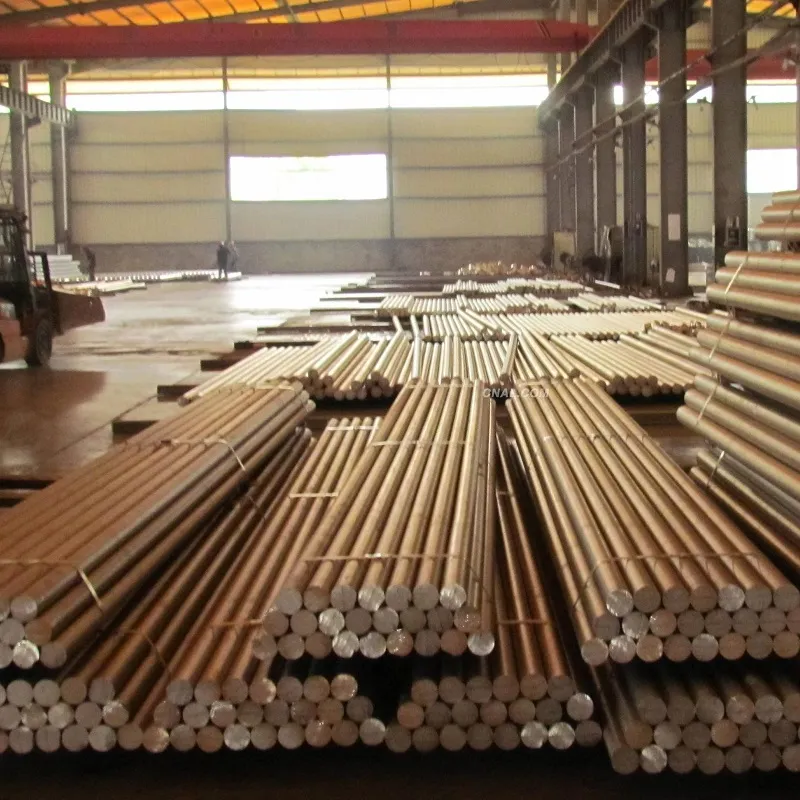
Εικόνες προϊόντων

Συνιστώμενα προϊόντα