


Tutti i prodotti
-
Striscia di acciaio inossidabile
-
Strato di acciaio inossidabile
-
Piatto di acciaio inossidabile
-
tubo di acciaio inossidabile
-
Acciaio inossidabile Antivari
-
Bobina d'acciaio galvanizzata
-
Piatto d'acciaio
-
tondino d'acciaio
-
lega di nichel
-
Tubo d'acciaio senza cuciture
-
Fascio di acciaio inossidabile
-
Strato del piatto di rame
-
Tondino di rame
-
Barra tonda in acciaio inossidabile
-
Barra del canale in acciaio inossidabile
-
Barra angolare in acciaio inossidabile
-
Strisce di bobina in acciaio inossidabile
-
Barra piatta in acciaio inossidabile
-
Cerchio in acciaio inossidabile
-
Raccordo per tubi
-
Lamiera di acciaio inossidabile con ondulazione dell'acqua
-
Lega di nichel e superlega
-
Bobina di acciaio laminato a freddo
-
Rame
-
Prodotti in lega a base di nichel
-
Altri
-
 Raian IonescuQualità materiale molto buona. abbiamo cooperare più di 10 anni. Vendono i generi dei lotti di materiale d'acciaio. Tutta la qualità materiale buona. Essi dovere per tutta la qualità materiale. Stiamo spianando per continuare a cooperare in futuro con loro
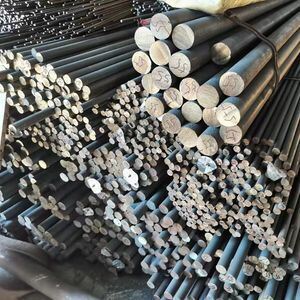
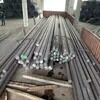
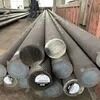
Barra rotonda in acciaio inossidabile ANSI 316L con superficie di finitura e resistenza alla corrosione in OD 6-630 mm


Dettagli
| Numero di modello | 316L | Forma | Girare |
|---|---|---|---|
| Tecnica | laminato a freddo | Trattamento superficiale | Luminoso |
| Gamma di diametri | 8-300 mm | Lunghezza | 6 m/pcs |
| Resistenza alla trazione | 485 MPa min | Forza di snervamento | 170 MPa min |
| Allungamento | 40% min | Durezza Rockwell | HR B 95 max |
| Durezza Brinell | HB217massimo | Contenuto di carbonio | 00,03% massimo |
| Contenuto di molibdeno | 2,00 - 3,00% | contenuto del cromo | 16,0 - 18,0% |
| Contenuto di nichel | 10,0 - 14,0% | ||
| Evidenziare | Barra rotonda in acciaio inossidabile resistente alla corrosione,Barra in acciaio inossidabile 316L con finitura superficiale smerigliata,Barra tonda SS con diametro esterno 6-630 mm |
||
Descrizione di prodotto
ANSI 316 316L barre rotonde in acciaio inossidabile
Superficie di finitura macinata con eccellenti proprietà di resistenza alla corrosione.
Specificativi del prodotto
| Prodotto | Barra rotonda in acciaio inossidabile |
| Grado | 316L / 1.4404 / AISI316L |
| Norme | ASTM A276/276M |
| Diametro | 8 - 300 mm |
| Distanze | 6m/pcs o taglio su misura disponibile |
| Superficie | Nero, luminoso |
| Altri gradi | 304, 310S, 316L, 317L, 321, 410, 420, 431, 440A/B/C, 2205, 2507, 630, 631, 904L, ecc. |
| Servizi | Taglio, lucidatura, trattamento termico |
Gamma di prodotti di barre in acciaio inossidabile
| Nome del prodotto | Intervallo di dimensioni | Gradi principali |
|---|---|---|
| Barra rotonda in acciaio inossidabile (superficie nera laminata a caldo) | 8 - 300 mm | 304, 304L, 309S, 310S, 316L, 316Ti, 317L, 321, 347, 410, 420, 431, 440A/B/C, 2205, 2507, 904L, 254SMO, 17-4PH, 17-7PH, ecc. |
| Barre rotonde in acciaio inossidabile (brillante lucidato) | 3 - 50 mm | 201, 304, 316L, 310S, 2205, 630, ecc. |
| Barre quadrate in acciaio inossidabile | 4 × 4 - 50 × 50 mm | 201, 304, 316L, 310S, 410, 420, ecc. |
| Barra esagonale in acciaio inossidabile | S4-S70 | 201, 304, 316L, 310S, 410, 420, ecc. |
| Barre piatte in acciaio inossidabile | 10×3 - 100×40 | 304, 304L, 309S, 310S, 316L, 316Ti, 317L, 321, 347, 410, 420, 431, 440A/B/C, 2205, 2507, 904L, 254SMO, 17-4PH, 17-7PH, ecc. |
| Bar angolare in acciaio inossidabile | 30×30 - 200×200 | 201, 304, 316L, 310S, 2205, ecc. |
| Barre di canalizzazione in acciaio inossidabile | 50×25 - 200×100 | 201, 304, 316L, 310S, 2205, ecc. |
Circa 316L di acciaio inossidabile
Il grado 316 è l'acciaio inossidabile austenitico standard contenente molibdeno, secondo in importanza al 304. Il contenuto di molibdeno fornisce al 316 una resistenza alla corrosione superiore rispetto al grado 304,resistenza particolarmente elevata alla corrosione da buche e crepe in ambienti clorurati.
Il grado 316L è la versione a basso tenore di carbonio del 316, immune dalla sensibilizzazione (precipitazione di carburo al confine del grano), rendendolo ideale per componenti saldati di calibro pesante (oltre 6 mm).In genere non vi è alcuna differenza di prezzo significativa tra acciaio inossidabile 316 e 316L..
La struttura austenitica offre un'eccellente robustezza, anche a temperature criogeniche.
Composizione chimica dell'acciaio inossidabile 316L
| Elemento | Min (%) | Max (%) |
|---|---|---|
| C | - | 0.03 |
| M | - | 2.0 |
| - Sì. | - | 0.75 |
| P | - | 0.045 |
| S | - | 0.03 |
| Cr | 16.0 | 18.0 |
| Mo. | 2.00 | 3.00 |
| Ni | 10.0 | 14.0 |
| N | - | 0.10 |
Proprietà meccaniche dell'acciaio inossidabile 316L
| Immobili | Valore |
|---|---|
| Resistenza alla trazione (MPa) min | 485 |
| Resistenza al rendimento 0,2% prova (MPa) min | 170 |
| Allungamento (% in 50 mm) min | 40 |
| Rockwell B (HR B) massimo | 95 |
| Brinell (HB) massimo | 217 |
Confronto delle specifiche di grado
| Norme | Indicazione |
|---|---|
| Numero UNS | S31603 |
| Vecchi stronzi inglesi. | 316S11 |
| Euronorm n. | 1.4404 |
| Euronorm Nome | X2CrNiMo17-12-2 |
| SS svedesi | 2348 |
| JIS giapponese | SUS 316L |
Resistenza alla corrosione
Performance eccellenti in vari ambienti atmosferici e in ambienti corrosivi - generalmente più resistenti del 304.e la fenditura per corrosione da sollecitazione superiore a circa 60°C.
Resistente all'acqua potabile con cloruri fino a 1000 mg/l a temperatura ambiente, riducendosi a circa 500 mg/l a 60°C.
Il 316 è considerato lo standard "acciaio inossidabile marino", ma non è resistente all'acqua calda del mare.in particolare nelle fessure e con finiture superficiali ruvide.
Resistenza al calore
Buona resistenza all'ossidazione in servizio intermittente a 870°C e in servizio continuo a 925°C.Non è raccomandato l'uso continuo nell'intervallo 425-860°C se la resistenza alla corrosione acquosa successiva è importante.
Il grado 316L offre una resistenza superiore alle precipitazioni di carburo e può essere utilizzato nell'intervallo di temperatura di cui sopra.Il grado 316H fornisce una maggiore resistenza a temperature elevate per applicazioni strutturali superiori a 500 °C.
Trattamento termico
Trattamento in soluzione (annellazione) - riscaldamento a 1010-1120°C e raffreddamento rapido.
Saldatura
Eccellente saldabilità utilizzando tutti i metodi standard di fusione e resistenza, con o senza metalli di riempimento.Le sezioni saldate pesanti del grado 316 richiedono il ricottamento post-saldatura per ottenere la massima resistenza alla corrosione - non richiesto per il 316L.
L'acciaio inossidabile 316L non è generalmente saldabile con metodi di saldatura con osiacetilene.
Fabbricazione meccanica
L'acciaio inossidabile 316L tende a indurirsi se lavorato troppo velocemente.
Il 316L offre una migliore lavorabilità rispetto al 316 in acciaio inossidabile a causa del suo basso contenuto di carbonio.
Lavorare a freddo e caldo
Lavorazione a caldo con tecniche comuni con temperature ottimali di 1150-1260°C (minimo 930°C).
Le operazioni di lavorazione a freddo possono essere eseguite, tra cui taglio, disegno e timbraggio.
Indurimento e indurimento del lavoro
L'acciaio inossidabile 316L non si indurisce con trattamenti termici, ma si indurisce con lavorazioni a freddo, che possono aumentare la resistenza.
Applicazioni
- Apparecchiature per la preparazione degli alimenti in ambienti clorurati
- Apparecchiature farmaceutiche
- Applicazioni marine
- Componenti architettonici
- Impianti medici, compresi perni, viti e impianti ortopedici
- Fabbricazione a partire da materiali di cui al capitolo 85
Immagini del prodotto

Prodotti raccomandati