


All Products
-
Stainless Steel Strip
-
Stainless Steel Sheet
-
Stainless Steel Plate
-
Stainless Steel Pipe
-
Stainless Steel Bar
-
Galvanized Steel Coil
-
Steel Plate
-
Steel Round Bar
-
Nickel Alloy
-
Seamless Steel Pipe
-
Stainless Steel Beam
-
Copper Plate Sheet
-
Copper Round Bar
-
stainless steel round bar
-
stainless steel channel bar
-
stainless steel angle bar
-
stainless steel coil strip
-
stainless steel flat bar
-
stainless steel circle
-
Pipe Fitting
-
Water Ripple Stainless Steel Sheet
-
Nickel Alloy and Super Alloy
-
cold rolled steel coil
-
copper
-
Nickel Base Alloy Products
-
Others
-
 Raian IonescuMaterial quality very good. we have cooperate more than 10 Years. They trade lots kinds of steel material. All material quality good. They duty for all material quality. We are planing continue cooperate with them in the future
Alloy 254SMO Super Austenitic Stainless Steel Plate - Corrosion Resistant for High Chloride Environments


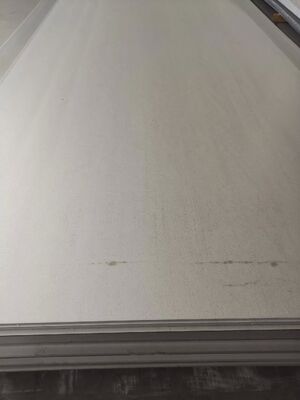
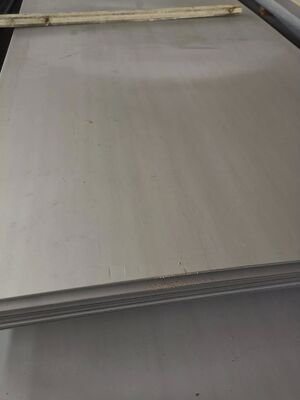
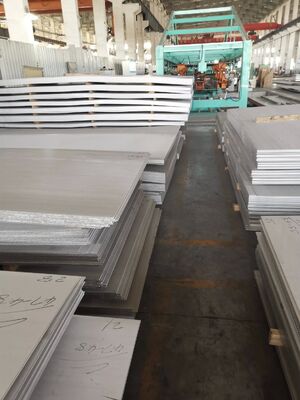

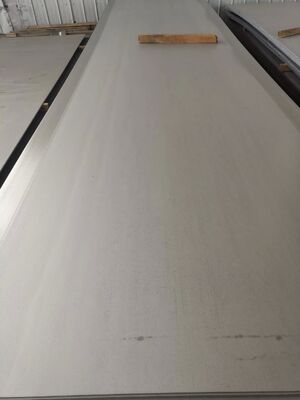
Product Details
| Model NO. | 254SMO | Shape | Flat |
|---|---|---|---|
| Technique | Cold Rolled | Surface Treatment | Bright |
| Specification | 1220*2440, 1500*3000, 1500*6000, 2000*6000mm | Production Capacity | 50000kgs |
| Material Type | Super Austenitic Stainless Steel | Alloy Composition | Molybdenum, Nitrogen, Low Carbon |
| Corrosion Resistance | Pitting, Crevice, Stress Cracking | Strength Level | Twice 300 Series |
| Ductility | High | Impact Strength | High |
| Chromium Content | High | Molybdenum Content | High |
| Nitrogen Content | High | ||
| Highlight | Super Austenitic Stainless Steel Plate,Corrosion Resistant Alloy 254SMO Plate,High Chloride Environments S31254 Plate |
||
Product Description
Alloy 254 SMO Super Austenitic Stainless Steel Plate
Alloy 254 SMO is a premium super austenitic stainless steel plate alloyed with molybdenum and nitrogen, featuring low carbon content. This high-performance material delivers exceptional resistance to pitting, crevice corrosion, stress corrosion cracking, and corrosion fatigue. With strength nearly double that of standard 300 series stainless steel, Alloy 254 SMO maintains high ductility and impact strength while providing superior uniform corrosion resistance.
Key Applications
- Petroleum production equipment
- Saltwater handling systems
- Food and chemical processing equipment
- Pulp mill bleach systems
- Flue gas desulphurization scrubbers
- Tall oil distillation columns
- Offshore oil & gas production equipment
- Desalination equipment
Material Standards
ASTM/ASME: UNS S31254
EURONORM: FeMi35Cr20Cu4Mo2
DIN: 2.4660
Corrosion Resistance Properties
Alloy 254 SMO provides excellent resistance to pitting and crevice corrosion through its high chromium, molybdenum, and nitrogen content. The very low carbon content minimizes carbide precipitation risk during heating processes. This alloy demonstrates exceptional performance in chloride-containing environments, making it suitable for prolonged seawater exposure without developing crevice corrosion.
Product Gallery

Recommended Products