


All Products
-
Stainless Steel Strip
-
Stainless Steel Sheet
-
Stainless Steel Plate
-
Stainless Steel Pipe
-
Stainless Steel Bar
-
Galvanized Steel Coil
-
Steel Plate
-
Steel Round Bar
-
Nickel Alloy
-
Seamless Steel Pipe
-
Stainless Steel Beam
-
Copper Plate Sheet
-
Copper Round Bar
-
stainless steel round bar
-
stainless steel channel bar
-
stainless steel angle bar
-
stainless steel coil strip
-
stainless steel flat bar
-
stainless steel circle
-
Pipe Fitting
-
Water Ripple Stainless Steel Sheet
-
Nickel Alloy and Super Alloy
-
cold rolled steel coil
-
copper
-
Nickel Base Alloy Products
-
Others
-
 Raian IonescuMaterial quality very good. we have cooperate more than 10 Years. They trade lots kinds of steel material. All material quality good. They duty for all material quality. We are planing continue cooperate with them in the future
Hot Rolled and Forged 30CrMnSiA Alloy Structural Steel Round Bar – Ideal for High-Load Components
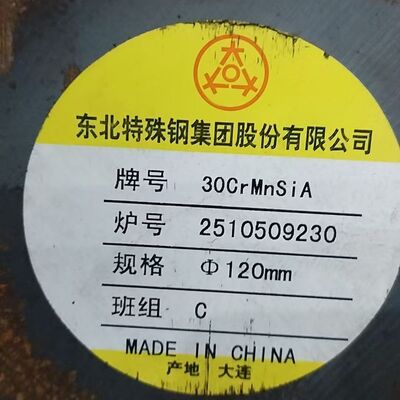


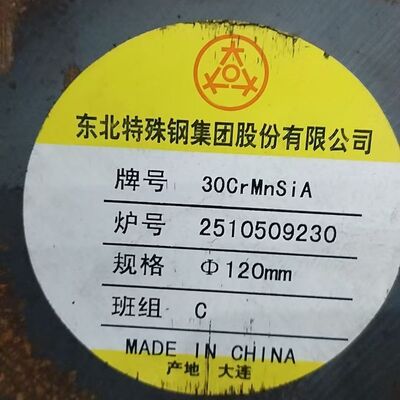
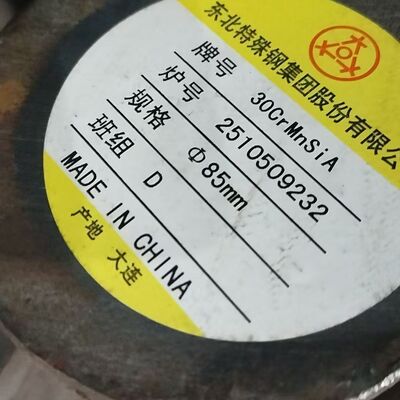
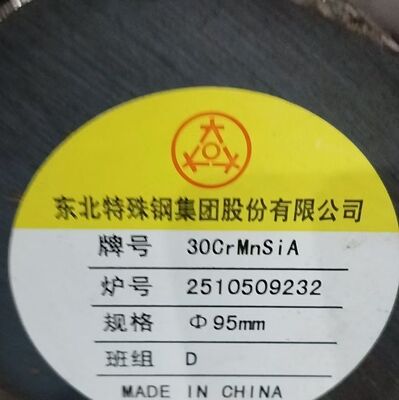
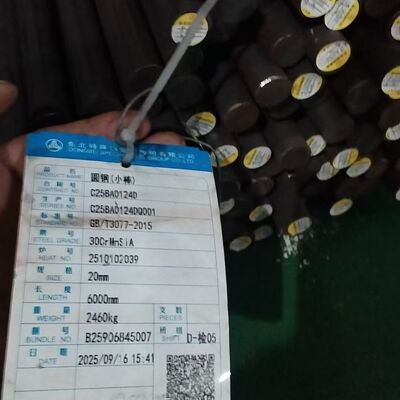
Product Details
| Products Name | Alloy Steel Round Bar | Diameter | 10 - 300mm |
|---|---|---|---|
| Length | 6m | Tech | Hot Rolled |
| Service | Cutting | MOQ | 1 Ton |
| Loading Port | Shanghai Port | Standard | ASTM EN GB |
| Highlight | Hot Rolled 30CrMnSiA alloy steel bar,Forged structural steel round bar,High-load alloy steel round bar |
||
Product Description
Hot Rolled and Forged 30CrMnSiA Alloy Structural Steel Round Bar – Ideal for High-Load Components
Products Specification
|
Products Name |
30CrMnSiA Alloy Steel Round Bar |
|
Diameter |
10 - 300 mm |
|
Length |
6m or custom cutting any length as request |
|
Type |
Hot Rolled |
|
Brand |
BAOSTEEL DELTA DONGBEI HUAXI SHAGANG.etc |
|
MOQ |
1 Ton |
|
Loading Port |
Shanghai Port |
|
Packing |
packing by steel wire rope |
|
Deliver time |
5 - 7 days for stock materials |
|
Other Grade |
Q195,Q235,10#,20#,35#,45#,Q215,Q345,12Cr1Mov,15CrMo ,20Cr,40Cr,20CrMo,35CrMo,42CrMo,40CrNiMo,GCr15,65Mn,50Mn, 50Cr,3Cr2W8V,20CrMnTi,25Cr2MoVA,5CrMnMo ,38CrMoAl, 30CrMnSiA,31CrMoV9 |
|
Standard |
ASTM GB EN DIN |
|
Application |
Structure and Industrial |
Standard Size of our Steel Round Bar In Stock
| 10mm | 12mm | 15mm | 16mm | 18mm | 20mm |
| 25mm | 30mm | 35mm | 38mm | 40mm | 42mm |
| 45mm | 48mm | 50mm | 55mm | 60mm | 65mm |
| 70mm | 75mm | 80mm | 85mm | 90mm | 95mm |
| 105mm | 110mm | 115mm | 120mm | 130mm | 140mm |
| 150mm | 160mm | 170mm | 180mm | 190mm | 200mm |
| 210mm | 220mm | 230mm | 240mm | 250mm | 260mm |
| 270mm | 280mm | 290mm | 300mm | 310mm | 320mm |
Hot Rolled and Forged 30CrMnSiA Alloy Structural Steel Round Bar – Ideal for High-Load Components
Introduction
The 30CrMnSiA alloy structural steel round bar is a premium material designed for high-strength, heavy-load applications. Combining a high content of chromium, manganese, and silicon, this steel offers exceptional mechanical properties, making it the ideal choice for components subjected to substantial stress. Commonly used in automotive, machinery, and heavy engineering industries, 30CrMnSiA is renowned for its excellent toughness, wear resistance, and fatigue strength.
This article provides a comprehensive overview of the 30CrMnSiA alloy steel round bar, detailing its chemical composition, mechanical properties, manufacturing process, applications, and advantages. Whether you are an engineer, designer, or purchasing manager, understanding the characteristics of this material will help ensure its suitability for your projects.
What is 30CrMnSiA Alloy Structural Steel?
30CrMnSiA is a high-carbon, low-alloy steel that contains chromium (Cr), manganese (Mn), and silicon (Si) as its primary alloying elements. It is used in situations where high tensile strength, toughness, and wear resistance are required, especially under high-load conditions. The steel is typically available in the form of round bars, which are commonly used in forging, machining, and other processes to create components for critical applications.
Key Features:
-
High Strength: Provides excellent tensile and yield strength, making it ideal for structural components under heavy loads.
-
Good Toughness: Ensures the material can withstand impacts and fatigue stresses.
-
Wear Resistance: Offers superior resistance to wear, making it suitable for use in harsh environments.
-
Heat Treatment Flexibility: Can be heat-treated to further improve mechanical properties.
Chemical Composition
The chemical composition of 30CrMnSiA alloy steel plays a crucial role in determining its performance. Below is the typical composition:
| Element | Content (%) |
|---|---|
| Carbon (C) | 0.28 - 0.34 |
| Manganese (Mn) | 0.60 - 0.90 |
| Silicon (Si) | 1.40 - 1.80 |
| Chromium (Cr) | 0.90 - 1.20 |
| Phosphorus (P) | ≤ 0.035 |
| Sulfur (S) | ≤ 0.035 |
| Nickel (Ni) | ≤ 0.30 |
| Copper (Cu) | ≤ 0.25 |
| Iron (Fe) | Balance |
Interpretation of Chemical Composition:
-
Carbon (C): Carbon enhances the strength of the material, but higher levels may reduce ductility. The moderate carbon content of 30CrMnSiA provides a good balance between strength and toughness.
-
Manganese (Mn): Manganese is an essential element for increasing tensile strength and improving toughness, making it ideal for heavy-load applications.
-
Silicon (Si): Silicon improves the steel’s resistance to oxidation and helps maintain a fine microstructure during heat treatment.
-
Chromium (Cr): Chromium enhances the material's hardness, corrosion resistance, and wear resistance, which is vital for high-performance applications.
Mechanical Properties
The mechanical properties of 30CrMnSiA alloy structural steel make it an excellent choice for high-load, high-stress components. Below is a summary of its key mechanical characteristics:
| Property | Value |
|---|---|
| Tensile Strength | 850 - 1000 MPa |
| Yield Strength | ≥ 680 MPa |
| Elongation (at fracture) | ≥ 15% |
| Impact Toughness | ≥ 50 J (at -20°C) |
| Hardness | 270 - 300 HB |
| Modulus of Elasticity | 210 GPa |
Key Points:
-
Tensile Strength: 30CrMnSiA exhibits a tensile strength range of 850 to 1000 MPa, making it suitable for applications where the material will experience significant forces.
-
Yield Strength: The material has a high yield strength of at least 680 MPa, ensuring that it can endure heavy loads without permanent deformation.
-
Elongation: The steel's elongation at fracture is greater than 15%, allowing it to withstand some deformation before failure, a key attribute in structural components.
-
Impact Toughness: The alloy’s toughness is excellent, with an impact toughness of over 50 J at -20°C, making it suitable for cold working environments.
Manufacturing Process
The manufacturing process for 30CrMnSiA alloy structural steel round bar typically involves two primary stages: hot rolling and forging. These processes help shape the steel into bars and refine its mechanical properties.
1. Hot Rolling
In the hot rolling process, the steel is heated above its recrystallization temperature and passed through rollers to form a round bar. Hot rolling enhances the material's strength and microstructure, as it undergoes significant deformation, which helps align the grain structure for improved performance.
2. Forging
Forging involves shaping the steel by applying compressive forces, typically using hammers or presses. This process refines the grain structure and improves the toughness and fatigue resistance of the material. Forged steel has superior mechanical properties compared to cast steel, making it more reliable for high-load applications.
After these processes, the round bars can undergo heat treatment processes like quenching and tempering to further enhance their hardness and tensile strength.
Applications
30CrMnSiA alloy structural steel is widely used across various industries due to its versatility and high-performance characteristics. Some of the most common applications include:
1. Automotive Industry
-
Axles: Used for making heavy-duty axles that can handle high torque and stress.
-
Crankshafts: 30CrMnSiA is commonly used in the manufacturing of crankshafts, which require high fatigue strength and toughness.
-
Suspension Components: This steel is ideal for suspension parts due to its strength and impact resistance.
2. Heavy Machinery
-
Gearboxes: The steel's wear resistance makes it perfect for gears and other components in gearboxes that undergo continuous wear.
-
Bearings: Used in manufacturing bearings, 30CrMnSiA offers excellent resistance to fatigue and wear.
3. Structural Applications
-
Bridges and Buildings: It is used in critical structural elements where high strength and resistance to environmental factors are crucial.
-
Presses and Molds: Steel components for heavy machinery such as presses and molds are often made from 30CrMnSiA for durability and strength.
4. Mining and Energy
-
Mining Tools: Due to its wear resistance, 30CrMnSiA is used for mining drill rods, augers, and other heavy-duty tools.
-
Wind Turbine Shafts: The steel’s fatigue strength and resistance to harsh conditions make it suitable for wind turbine shafts.
Advantages of 30CrMnSiA Alloy Structural Steel
1. High Strength and Durability
The combination of carbon, manganese, silicon, and chromium makes 30CrMnSiA a strong and durable material that is well-suited for heavy-duty applications.
2. Excellent Fatigue and Impact Resistance
This alloy has superior resistance to both fatigue and impact, ensuring that it can withstand repeated loading cycles without failure, which is critical for high-load components.
3. Versatility in Heat Treatment
30CrMnSiA can be easily heat-treated to achieve desired properties, allowing it to be tailored for specific applications. This makes it a versatile material for a wide range of industries.
4. Improved Wear Resistance
The material's high chromium and silicon content gives it excellent wear resistance, ensuring that components made from 30CrMnSiA will last longer under harsh operating conditions.
5. Cost-Effective Performance
While not as cheap as carbon steel, 30CrMnSiA offers significant advantages in terms of performance, making it a cost-effective choice for critical structural components that require high strength and durability.
Conclusion
30CrMnSiA alloy structural steel round bar is an exceptional material ideal for applications that require high strength, toughness, and wear resistance. Whether used in automotive, machinery, or heavy engineering, this steel provides the performance needed to meet the demands of high-load environments. Its excellent chemical composition, mechanical properties, and heat treatment flexibility make it a reliable choice for a wide variety of industrial applications.
Choosing 30CrMnSiA for your next project ensures that your components will be durable, efficient, and capable of withstanding the rigors of heavy-duty use. With its well-balanced composition and superior mechanical properties, it stands as an excellent choice for engineers and manufacturers worldwide.

Recommended Products