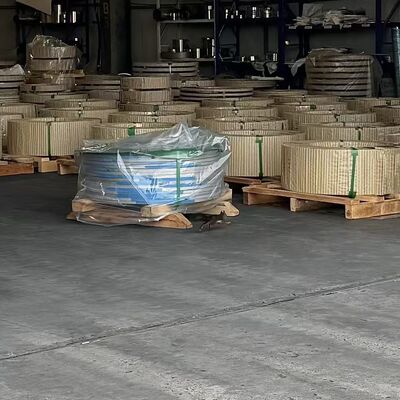
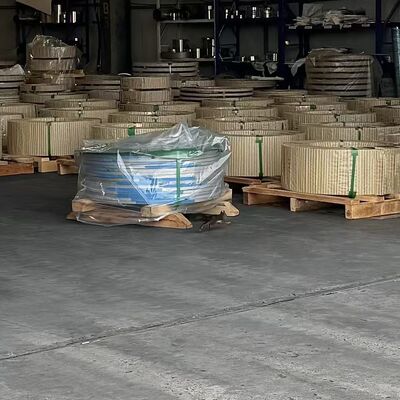
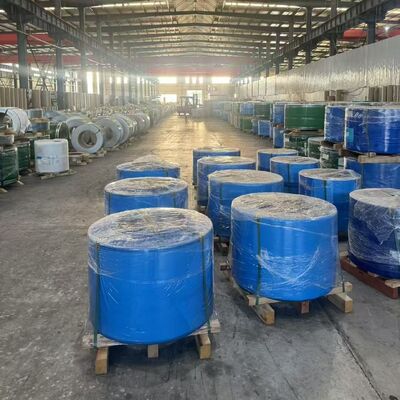
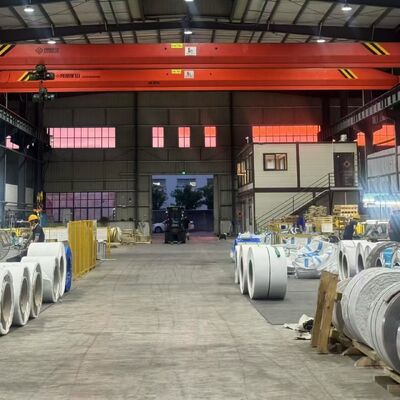
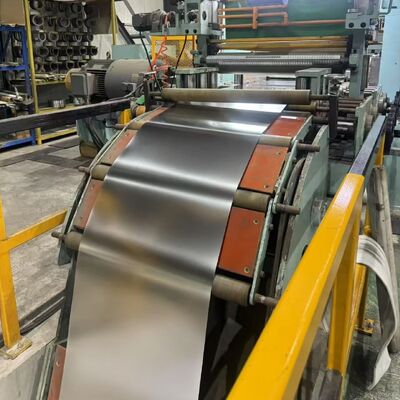
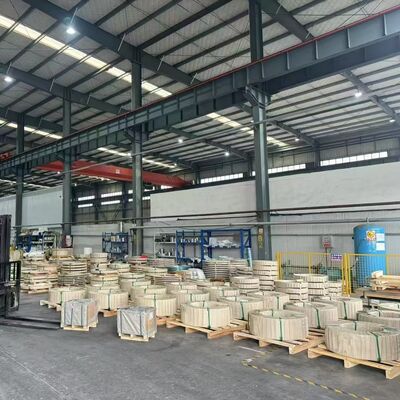
冷たくロールされた316Lステンレスステールストライプ 2BBA明るい磨きステンレスステールコイル
製品仕様
| 製品 |
ステンレス・スティール・ストライプ |
| 厚さ |
0.1-3.0mm |
| 幅 |
最小幅5mm |
| MOQ |
20kg |
| メイングレード |
201 301 304 304L 309S 310S 316L 316Ti 410 420 430 436 439 441 444 440A/B/C2205,2507904LC276400,600,625,926,825... など |
| 表面 |
BA 2B |
| スタンダード |
ASTM EN GB JIS |
| 梱包 |
木製の枠と防水紙 |
JIS G4305 SUS304ステンレス・スティール・ストライプ 厚さ0.1〜3.0mm プリキュア・スプリング・アプリケーション用スプリング・スプリング・カット・エッジ 製品概要JIS G4305 に準拠して製造された精密工学および産業用アプリケーションで最も広く使用されているオーステニティックステンレス鋼級の1つです. 厚さ範囲は0.1mmから3.0mmです.この冷たいロールストリップは,精密な切断縁で特別加工されていますスプリング,コネクタ,端末,電子部品などの高性能部品に最適です.SUS304 (国際的にはAISI 304またはUNS S30400としても知られています) は,腐食耐性の優れたバランスを提供しています構成は通常18%クロムと8%ニッケルで,環境と軽度の環境の両方で優れた性能を保証します.食品加工を含むこの製品ページでは,包括的な技術仕様,化学組成,機械的特性,エンジニアの応用ガイド主要な特徴と利点 ✅コンプライアンス:JIS G4305に完全に準拠:2021年 (冷凍製のステンレス鋼板)精密切断: エッジ・トレランス ±0.01mm;自動組み立てのためのブールフリー・フィニッシュ ✅厚さ範囲:0.1mm ∼3.0mm (要求に応じてカスタマイズできます) ✅幅オプション:5mm ¥ 600mm (標準)表面仕上げ: 2B,BA (Bright Annealed) またはカスタム仕上げ (例えば,ヘアライン,マット) 優れたスプリング特性:高度な疲労耐性と繰り返し折りたたみ後に弾性回復 ✅腐食耐性: 800°Cまで酸化に耐える.湿気,塩分,軽度の酸性環境に適している.敏感な電子機器や医療機器に最適 技術仕様 パラメータ仕様 標準 JIS G4305:2021 材料グレード SUS304 (日本工業標準) 同等グレード AISI 304 (米国),X5CrNi18-10 (EN),1.4301 (DIN),06Cr19Ni10 (GB/T) 形式 冷式ロールステンレスステールストライプ 厚さ範囲 0.1mm ¥3.0mm 幅範囲 5mm ¥600mm (精度割れ ±0.05mm 許容度) 許容度 (厚さ) ±0.005mm (<0.5mm); ±1% (≥0.5mm) 縁状 精度割れ,剥削縁の裂け目がない 表面仕上げ 2B (標準)BA (Bright Annealed), HL (Hairline),または顧客指定温度条件 アニール (柔らかい), 1/4H, 1/2H, H, EH, SH (春温度は利用可能) 密度 7.93 g/cm3 磁気特性 焼却状態の磁性でない物化学組成 (JIS G4303 / JIS G4311) SUS304の化学組成は一貫した性能を確保するために厳格に制御されています.元素含有量 (%) Max/Min Carbon (C) ≤ 0.08 シリコン (Si) ≤ 1.00 マンガン (Mn) ≤ 2.00 リン (P) ≤ 0.045 硫黄 (S) ≤ 0.030 クロム (Cr) 18.0 ̇ 20.0 ニッケル (Ni) 8.0 ̇ 10.5 鉄 (Fe) バランス 注:すべての値は,JIS G4303-1998およびJIS G4311-1991規格に準拠しています.メカニカルプロパティ (典型的な値 焼却状態) プロパティ値 張力強度 515 720 MPa 収力強度 (0.2%オフセット) ≥205 MPa 長さ (50 mm) ≥40% 硬さ (HV) 150 200 弾性モジュール ~193 GPa 熱伝導性 16.2 W/m·K (100°C) 熱膨張係数 17.2 μm/m·°C (20°C) 春の用途では,ストライプはしばしば1/2ハード (H) またはフルハード (EH/SH) のテンパーで供給されます.より高い出力強度 (1000 MPa まで) とより強い耐久性. なぜスプリング用の精密割れ式SUS304ストライプを選択するのか? スプリングには,恒久的な変形なしに繰り返しストレスのサイクルに耐えられる材料が必要です. SUS304ステンレスステールストライプは:高い弾力限界: 動的負荷下で形状の整合性を維持する. 疲労耐性: 高サイクルアプリケーション (例えば,バッテリーコンタクト,リレースプリング) で信頼性があります. クリーンエッジ:精密な切断は,疲労障害を誘発するマイクロクラックとブースを排除します腐食防止:炭素鋼のスプリングとは異なり,SUS304はほとんどの環境で塗装またはコーティングを必要としません.生物互換性:医療インプラント部品のISO 10993規格を満たす (適切に完成した場合)SUS304 ストリップから作られる一般的なスプリングタイプは:接触スプリング (電子機器) クリップスプリング (自動車内装) トルションスプリング (小型家電) フラットスピラルスプリング (時計,製造と品質管理 私たちのSUS304ストリップは,先進的な連続冷回転とアニールラインを使用して生産されています各コイルは厳格な品質検査を受けます: 寸法精度:レーザーマイクロメーターと光学縁スキャナーで確認されます. 表面検査:自動視力システムで 傷跡を検知材料認証:EN 10204 3.1 または 3 に基づくミール試験報告 (MTR)2. 批量追跡: 溶融から最終コイルまでの完全な熱番号追跡. 選択的付加価値サービス: カスタムパッケージング: 輸出のための木製パレットにプラスチックで包まれたコイル. エッジコンディショニング:高速スタンプ用,丸くまたはカムフラージュした縁潤滑剤のない表面: クリーンルームや医療用用途 応用産業用ケース 電子機器 バッテリーコンタクト,SIMカードトレイ,スイッチスプリングEMIシールドストリップ 自動車用シートベルトリラクターセンサースプリング 燃料注入器部品 医療外科用器具部品 埋め込み装置のスプリング 診断機器 産業用バルブスプリング 圧力センサーフィルタリング網 消費品 眼鏡のフレーム注文またはサンプルを依頼するには,次の詳細を提示してください:グレード:SUS304 (JIS G4305) 厚さ:例えば,0.25mm ±0.005mm 幅:例えば,12.5mm ±0.05mm 温度:アニール / 1/2H / スプリング 温度 (スプリング使用の場合は指定) 表面仕上げ:2B / BA / カスタムコイルID: 200mm,300mmまたは508mm (20??) コイル1本分の重量:通常10~50kg (調節可能) パッケージ: VCI紙 + プラスチックラップ + 輸出箱 最低注文量 (MOQ): 100kg リードタイム: 7~15日 (仕様に応じて) FAQ Q: SUS304は304ステンレスと同じですか? A: そうです.SUS304は日本の指定 (JIS標準)化学的および機械的性質はほぼ同一である.Q:SUS304ストライプは海洋環境で使用できますか?A:SUS304ストライプは,SUS304ストライプは,SUS304ストライプは,SUS304ストライプは,SUS304ストライプは,SUS304ストライプは,SUS304ストライプは,SUS304ストライプは,SUS304ストライプは,SUS304ストライプは,SUS304ストライプは,SUS304ストライプは,SUS304ストライプは,SUS304ストライプは,SUS304ストライプは,SUS304ストライプは,SUS304ストライプは,SUS304ストライプは,SUS304ストライプは,SUS304ストライプは,SUS304ストライプは,SUS304ストライプは,SUS304ストライプは,SUS304ストライプは,SUS304ストライプは,SUS304ストライプは,SUS304ストライプは,SUS304ストライプは,SUS30SUS304 は 大気 の 腐食 に 良い 耐性 を 持っ て い ます が,長期 に 海水 に 晒され て も 危険 です.. 厳しい海洋用途では,SUS316Lを検討してください. Q: 2BとBAの仕上げの違いは何ですか? A: 2Bは中程度の反射性のある標準的な磨き粉の仕上げです. BA (Bright Annealed) は非常に反射性があります.滑らかQ: RoHS/REACHのコンプライアンスドキュメントを提供していますか? A:はい. SUS304のすべてのストライプはRoHS,REACH,紛争鉱物規制結論 JIS G4305 SUS304 精密切断縁のステンレススティールストライプは,スプリングと精密部品の製造に匹敵しない信頼性を提供します.厳格な品質管理によって裏付けられています耐久性,一貫性,性能を求める技術者にとって 選択された材料です自動車の安全メカニズムを設計しているかどうかですJIS G4305 SUS304 ステンレス ステンレス ステンレス ステンレス ステンレス ステンレス ステンレス ステンレス ステンレス ステンレス0mm 春のアプリケーションのための精密スロット切断刃 製品概要 SUS304ステンレススタールストライプJIS G4305:2021 規格に厳格に準拠して製造された,精密工学および産業用アプリケーションで最も広く使用されるオーステニティックステンレス鋼級の1つです.厚さ範囲は0.1mmから3.0mm,これらの冷たいロールストリップは,精密なスライス切断刃で特別に加工されており,スプリング,コネクタ,端末,電子部品. SUS304 (国際的にはAISI 304またはUNS S30400としても知られる) は,耐腐蝕性,形容性,溶接性,および機械的強さの優れたバランスを提供します.構成は通常18%のクロムと8%のニッケルで,環境と軽度の環境の両方で優れた性能を保証します.食品加工,医療機器,自動車システム,消費者電子機器を含む.この製品ページは,包括的な技術仕様,化学組成,メカニカルプロパティ信頼性の高い耐久性のあるステンレス鋼帯材料を探しているエンジニア,調達専門家,製造者向けアプリケーションガイド. 主要な特徴と利点 ✅準拠:JIS G4305 に完全に適合する:2021 (冷凍ロールステンレス鋼板,シート,ストリップ) ✅精密切断:エッジの耐性 ±0.01mm;自動組み立てのためのブールフリー仕上げ ✅厚さ範囲: 0.1mm 3.0mm (要求に応じて調整可能) ✅幅オプション: 5mm ̇ 600mm (標準) マイクロスプリング用にはより狭い幅が利用できます ✅ 表面仕上げ:2B,BA (Bright Annealed) またはカスタム仕上げ (例えば,ヘアライン,マット) ✅ 優れた噴出物耐腐蝕性:高温800°Cまで酸化に耐える.湿気,塩水,軽く酸性環境 ✅ 磁気性のない状態 (焼却状態): 敏感な電子機器や医療機器に最適 技術仕様 パラメータ仕様 JIS G4305規格:2021 材料グレード SUS304 (日本の工業標準) 同等グレード AISI 304 (米国)X5CrNi18-10 (EN),1.4301 (DIN),06Cr19Ni10 (GB/T) 型 冷たくロールされた不?? 鋼帯 厚さ範囲0.1mm 幅範囲5mm 600mm (精度割れ ±0.容量 (厚さ) ±0.005 mm (<0.5 mmの場合); ±1% (≥0.5 mmの場合) エッジ状態 切断精度,剥削,エッジの裂け目なし 表面仕上げ 2B (標準),BA (明るいアニール),HL (ヘアライン),または顧客が指定した温度条件 焼却 (柔らかい), 1/4H, 1/2H, H, EH, SH (スプリングテンプレート利用可能) 密度 7.93 g/cm3 磁気特性 焼却状態で磁性でない化学組成 (JIS G4303 / JIS G4311) SUS304の化学組成は一貫した性能を確保するために厳格に制御されています:元素含有量 (%) Max/Min Carbon (C) ≤ 0.08 シリコン (Si) ≤ 1.00 マンガン (Mn) ≤ 2.00 リン (P) ≤ 0.045 硫黄 (S) ≤ 0.030 クロム (Cr) 18.0 ⇒ 20.0 ニッケル (Ni) 8.0 ⇒ 10.5 鉄 (Fe) バランスノート: すべての値は,JIS G4303-1998およびJIS G4311-1991規格に準拠しています.機械的特性 (典型的な値 熱熱状態) 特性値 張力強度 515 720 MPa 収力強度 (0.2%オフセット) ≥205 MPa 長さ (50 mm) ≥40% 硬さ (HV) 150 200 弾性モジュール ~193 GPa 熱伝導性 16.2 W/m·K (100°C) 熱膨張係数 17.2 μm/m·°C (20°C) 春の用途では,ストライプはしばしば1/2ハード (H) またはフルハード (EH/SH) のテンパーで供給されます.より高い出力強度 (1000 MPa まで) とより強い耐久性. なぜスプリング用の精密割れ式SUS304ストライプを選択するのか? スプリングには,恒久的な変形なしに繰り返しストレスのサイクルに耐えられる材料が必要です. SUS304ステンレスステールストライプは:高い弾力限界: 動的負荷下で形状の整合性を維持する. 疲労耐性: 高サイクルアプリケーション (例えば,バッテリーコンタクト,リレースプリング) で信頼性があります. クリーンエッジ:精密な切断は,疲労障害を誘発するマイクロクラックとブースを排除します腐食防止:炭素鋼のスプリングとは異なり,SUS304はほとんどの環境で塗装またはコーティングを必要としません.生物互換性:医療インプラント部品のISO 10993規格を満たす (適切に完成した場合)SUS304 ストリップから作られる一般的なスプリングタイプは:接触スプリング (電子機器) クリップスプリング (自動車内装) トルションスプリング (小型家電) フラットスピラルスプリング (時計,製造と品質管理 私たちのSUS304ストリップは,先進的な連続冷回転とアニールラインを使用して生産されています各コイルは厳格な品質検査を受けます: 寸法精度:レーザーマイクロメーターと光学縁スキャナーで確認されます. 表面検査:自動視力システムで 傷跡を検知材料認証:EN 10204 3.1 または 3 に基づくミール試験報告 (MTR)2. 批量追跡: 溶融から最終コイルまでの完全な熱番号追跡. 選択的付加価値サービス: カスタムパッケージング: 輸出のための木製パレットにプラスチックで包まれたコイル. エッジコンディショニング:高速スタンプ用,丸くまたはカムフラージュした縁潤滑剤のない表面: クリーンルームや医療用用途 応用産業用ケース 電子機器 バッテリーコンタクト,SIMカードトレイ,スイッチスプリングEMIシールドストリップ 自動車用シートベルトリラクターセンサースプリング 燃料注入器部品 医療外科用器具部品 埋め込み装置のスプリング 診断機器 産業用バルブスプリング 圧力センサーフィルタリング網 消費品 眼鏡のフレーム注文またはサンプルを依頼するには,次の詳細を提示してください:グレード:SUS304 (JIS G4305) 厚さ:例えば,0.25mm ±0.005mm 幅:例えば,12.5mm ±0.05mm 温度:アニール / 1/2H / スプリング 温度 (スプリング使用の場合は指定) 表面仕上げ:2B / BA / カスタムコイルID: 200mm,300mmまたは508mm (20??) コイル1本分の重量:通常10~50kg (調節可能) パッケージ: VCI紙 + プラスチックラップ + 輸出箱 最低注文量 (MOQ): 100kg リードタイム: 7~15日 (仕様に応じて) FAQ Q: SUS304は304ステンレスと同じですか? A: そうです.SUS304は日本の指定 (JIS標準)化学的および機械的性質はほぼ同一である.Q:SUS304ストライプは海洋環境で使用できますか?A:SUS304ストライプは,SUS304ストライプは,SUS304ストライプは,SUS304ストライプは,SUS304ストライプは,SUS304ストライプは,SUS304ストライプは,SUS304ストライプは,SUS304ストライプは,SUS304ストライプは,SUS304ストライプは,SUS304ストライプは,SUS304ストライプは,SUS304ストライプは,SUS304ストライプは,SUS304ストライプは,SUS304ストライプは,SUS304ストライプは,SUS304ストライプは,SUS304ストライプは,SUS304ストライプは,SUS304ストライプは,SUS304ストライプは,SUS304ストライプは,SUS304ストライプは,SUS304ストライプは,SUS304ストライプは,SUS304ストライプは,SUS30SUS304 は 大気 の 腐食 に 良い 耐性 を 持っ て い ます が,長期 に 海水 に 晒され て も 危険 です.. 厳しい海洋用途では,SUS316Lを検討してください. Q: 2BとBAの仕上げの違いは何ですか? A: 2Bは中程度の反射性のある標準的な磨き粉の仕上げです. BA (Bright Annealed) は非常に反射性があります.滑らかQ: RoHS/REACHのコンプライアンスドキュメントを提供していますか? A:はい. SUS304のすべてのストライプはRoHS,REACH,紛争鉱物規制結論 JIS G4305 SUS304 精密切断縁のステンレススティールストライプは,スプリングと精密部品の製造に匹敵しない信頼性を提供します.厳格な品質管理によって裏付けられています耐久性,一貫性,性能を求める技術者にとって 選択された材料です自動車の安全メカニズムを設計しているかどうかですSUS304ストリップは 製品が最高機能と美容基準を満たすことを保証します
冷式ロール316Lステンレスステールストライプ 2B,BA,明るい磨き塗装
紹介
医療機器製造,食品加工,製薬,精密工学などの高性能産業では,材料の選択が重要です.最も信頼される材料は,冷たいロール 316Lステンレス鉄筋です耐腐蝕性,機械的安定性,表面の多様性により高く評価されています.このステンレススチールコイルは 厳格な国際基準を満たしながら 機能的・美学的ニーズに合わせて 表面特性を提供しています.
この包括的なガイドは,組成,製造プロセス,表面仕上げ特性,寸法容量,用途,鋼鉄 316L 鋼筋の冷たいロールの基準詳細な比較表によってサポートされ,明確性と検索関連性のために最適化され,この記事は,信頼性の高い,高品質のステンレス鋼の溶液.
冷たくロールされた316Lステンレス・スティール・ストライプとは何か?
316Lステンレス鋼は,低炭素 (≤0.03% C),モリブデン強化 (2% Mo) オーステニト合金である.特に塩化物や高温環境では重要.
冷圧は室温変形プロセスで,
- 高精度で厚さを減らす
- 表面の滑らかさを向上させる
- 作業硬化によって張力強さを高める
- 狭い寸法容量 (±0.005mm達成可能) を可能にします.
製造されたリップは,外科機器,センサー弁,食品用コンベヤー部品などの平坦性,一貫性,清掃性が求められる用途に最適です.
主要な表面仕上げ: 2B,BA,そして明るい磨き
表面仕上げは,衛生,光学,または装飾用アプリケーションでの性能に直接影響します.詳細な比較は以下です.
表面仕上げ比較表
| 仕上げタイプ |
プロセスの説明 |
表面の荒さ (Ra) |
反射性 |
一般的な用途 |
| 2B |
冷たくロール,アニール,ピクルス,軽く皮を塗った |
0.1 ¥0.3 μm |
低~中等 |
一般産業用 タンク 収納物 |
| BA (ライトアニール) |
水素-窒素大気で焼却し,酸化しない |
0.05 〜0.1 μm |
高さ (鏡のような) |
医療機器,光学部品,クリーンルーム |
| 明るく磨いた |
メカニカルに磨き + 磨き (しばしばBA後) |
≤0.05 μm |
非常に高い |
装飾用パネル,豪華家電,鏡 |
注:BA仕上げは,焼却中に達成され,明るい磨きは,次要的な機械的プロセスです.BA は,組み込まれた磨材がないため,機械的に磨かれた表面よりも優れた耐腐蝕性があります..
材料規格とグローバル同等の規格
316Lは,異なる命名コンベンションの下で世界中で標準化されていますが,ほぼ同一の化学と性能を共有しています.
化学組成 (典型,重量%)
| エレメント |
ASTM A240 (UNS S31603) |
JIS G4303 (SUS316L) |
EN 10088-2 (1.4404) |
GB/T 20878 (022Cr17Ni12Mo2) |
| 炭素 (C) |
≤0.03 |
≤0.03 |
≤0.03 |
≤0.03 |
| クロム (Cr) |
16.0 ¥180 |
16.0 ¥180 |
16.5 ¥185 |
16.0 ¥180 |
| ニッケル (Ni) |
10.0 ¥140 |
10.0 ¥140 |
10.0130 |
10.0 ¥140 |
| モリブデン (Mo) |
2.0 〇 30 |
2.0 〇 30 |
2.0・25 |
2.0 〇 30 |
| 硫黄 (S) |
≤0.030 |
≤0.030 |
≤0.015 |
≤0.030 |
すべてのバージョンは主要な国際基準を満たしています:
- ASTM (米国):A240,A480
- JIS (日本): G4303, G4304
- EN (ヨーロッパ): 10088-2, 10258
- GB (中国):T20878,T3280
供給者は通常,EN 10204 3.1/3 に基づいてミール試験報告 (MTR) を提供します.2完全な追跡を保証する
尺寸仕様と許容量
冷たくロールされた 316L ストライプは,微米レベルの精度で超薄の計量尺度で入手できます.
標準的な製品範囲
| パラメータ |
範囲 |
| 厚さ |
00.05mm ¥3.0mm |
| 幅 |
10mm 650mm |
| コイル内径 |
508mm (標準),610mm (オプション) |
| コイル重量 |
100kg 5,000kg |
| エッジタイプ |
切断縁 (SE),切断縁 (DE),丸め縁 (RE) |
厚さ許容量 (EN 10258 / ASTM A480 による)
| 定数厚さ (mm) |
正常許容量 (± mm) |
精度レベル (± mm) |
| 0.10 |
±0010 |
±0005 |
| 0.25 |
±0015 |
±0008 |
| 0.50 |
±0020 |
±0010 |
| 1.00 |
±0030 |
±0015 |
| 2.00 |
±0040 |
±0020 |
| 3.00 |
±0050 |
±0025 |
精密品種は,閉ループのゲージ制御システムを使用して生産され,自動スタンプまたはレーザー切削ラインには不可欠です.
メカニカルプロパティ (アネル状態)
| プロパティ |
典型的な価値 |
| 張力強度 |
485~620 MPa |
| 収益力 (0.2%オフセット) |
≥ 170 MPa |
| 伸縮 |
≥ 40% |
| 硬さ (HV) |
140×200 |
| 密度 |
8.0 g/cm3 |
| 磁気透透性 |
磁性でない (<1.005) |
これらの性質は,医学および電子部品にとって重要なクレイクなしで深層の引き出し,曲がり,マイクロ形成をサポートします.
製造プロセス概要
- 溶融と鋳造:AOD (アルゴン酸素脱炭化) は,低炭素と最小限の含有を保証します.
- 熱巻き:厚いコイル (~3~6mm) に巻いたスラブ.
- 冷回転: 中間回焼で最終厚さに多通行減量.
- 焼却:
- 2B:空気で焼いて,酸で漬けます
- BA: 純粋なH2/N2大気中に焼却され,反射表面が得られる.
- 表面処理:
- 2B: 均質なマット仕上げのために軽いスキンパスローリング
- BA: 治療は不要です
- 明るく磨いた:細い磨材 (例えば600~1200粒の砂砂) でパフした.
- 切断と検査: 508mmコアに精密切断;CCDカメラによる表面検査100%
品質試験には粒間腐食 (ASTM A262 慣行E),張力試験,表面荒さプロファイリングが含まれます.
表面塗装による応用
12B 完成
- 食品加工設備 (ホッパー,トレイ)
- 工業用キャビネット
- 化学薬品の貯蔵タンク
- 自動車装飾 (目に見えない部品)
利点は: 費用対効果が高く,腐食耐性があり,製造が簡単です.
2BA (Bright Annealed) 完成品
- 外科用器具の空白
- 薬剤用液体マニホールド
- クリーンルームの壁パネル
- センサー膜と弁
利点: 汚染物質 が 埋め込まれ ない 鏡 の よう な 表面 で,無菌 な 環境 に 最適 です.
3鮮やかな磨き上げ
- 高級家電のフロント (冷蔵庫,洗碗機)
- 建築のアクセント (エレベーター,手すり)
- 装飾用医療機器のホース
- ミラー級の反射器
利点: 高い美学的な魅力; 視覚的印象が重要である場合によく使用されます.
コンプライアンスと認証
規制された産業では,文書は取り扱えない.
| 産業 |
必要な証明書 |
| 医療 |
ISO 13485,ISO 10993,USPクラスVI |
| 食品・飲料 |
FDA 21 CFR 178 について3297, EU 1935/2004, 3-A 衛生 |
| 航空宇宙 |
AMS 5524,NADCAP |
| 一般輸出 |
SGS,TÜV,RoHS,REACH |
有名なサプライヤーは無料のサンプル,OEM/ODMカスタマイズ,熱番号によるバッチの追跡が可能を提供しています.
なぜ 316L 冷式 ローリング を 代替 方法 に 優先 する の でしょ う か
| 材料 |
耐腐食性 |
表面の質 |
費用 |
最良の為 |
| 316L (冷物) |
素晴らしい (Mo) |
高度 (BA/明るい) |
中等 |
医療,食品,海洋 |
| 304 ステンレス |
良さ (Cl−が欠けている) |
中等 |
低い |
室内乾燥環境 |
| チタン |
すごい |
適度 |
ハイ |
インプラント,航空宇宙 |
| アルミニウム |
貧しい |
良い (アノイド化) |
低い |
軽量構造物 |
316Lは性能,製造可能性,規制の承認の最良のバランスを提供します.
SEO最適化された要約 (Googleの可視性のために)
冷式ロール 316Lステンレス鋼帯は,高性能耐腐蝕性,生物互換性,表面仕上げのオプション2B (マット),BA (明るいアニール) と明るい磨かれた仕上げで利用可能で,これらのコイルはASTM,JIS,GB,EN規格に準拠しています.厚さ0.05mmから3.0mmと標準508mmの内径高いスピードの自動化と厳格な衛生要件に対応します. 外科ツール,食品機械,センサー,高級機器に最適です. 316Lステンレス鋼のストライプは信頼性を提供します.清潔さグローバルコンプライアンスです
結論
冷式ロール316Lステンレス鋼帯は,2B,BA,明るく磨かれた仕上げで利用可能で,重要なアプリケーションのためのエンジニアリング材料ソリューションのピークを表しています.モリブデンで強化された耐腐蝕性の組み合わせ高価な部門で不可欠です. 国際基準に準拠し,完全な追跡性を提供することで,製造者は,技術的および規制的要求の両方に適合する一貫した品質を保証します..




 Raian Ionescuよい物質的な質非常に。私達は協力することを持っている10年以上。それらはロットの種類の鋼鉄材料を交換する。よいすべての物質的な質。それらすべての物質的な質のための義務。私達はそれらに将来協力し続けるために平になっている