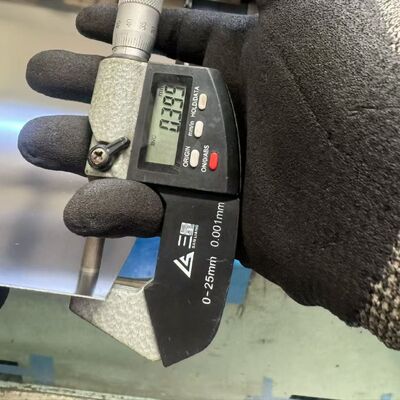
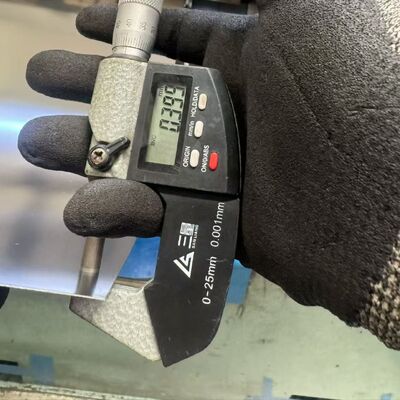
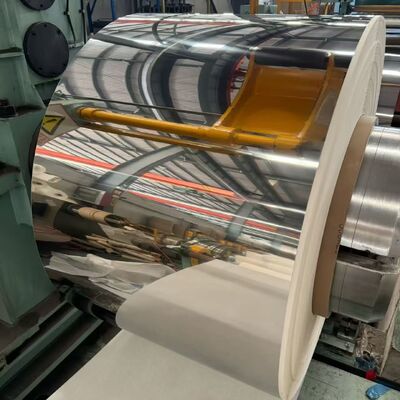
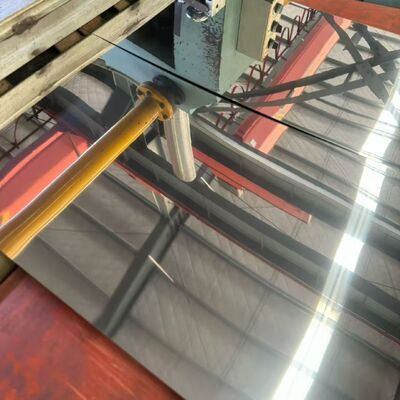
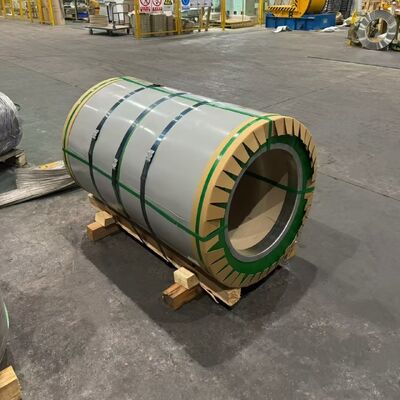
Diametro interno 508 mm Rulli di strisce in acciaio inossidabile Lega 316L con standard ASTM JIS GB EN
Specifica dei prodotti
| Prodotti |
strisce di acciaio inossidabile |
| Spessore |
0.1-3.0 mm |
| Larghezza |
larghezza minima 5 mm |
| MOQ |
20 kg |
| Grado principale |
201 301 304 304L 309S 310S 316L 316Ti 410 420 430 436 439 441 444 440A/B/C2205,2507,904L,C276,400,600,625,926,825. ecc |
| Superficie |
BA 2B |
| Norme |
ASTM EN GB JIS |
| Imballaggio |
cornice di legno e carta impermeabile |
JIS G4305 SUS304 Strisce in acciaio inossidabile Spessore 0,1 - 3,0 mm con un'intensità di calore non superiore a 50 W:2021 standard, rappresentano uno dei gradi di acciaio inossidabile austenitico più utilizzati in ingegneria di precisione e applicazioni industriali.le strisce laminate a freddo sono particolarmente lavorate con bordi taglienti a fessura di precisione, che li rende ideali per componenti ad alte prestazioni come molle, connettori, terminali e componenti elettronici.SUS304 (noto anche a livello internazionale come AISI 304 o UNS S30400) offre un eccellente equilibrio di resistenza alla corrosione, formabilità, saldabilità e resistenza meccanica.La sua composizione, in genere 18% di cromo e 8% di nichel, garantisce prestazioni superiori sia in ambienti ambientali che in ambienti leggermente aggressivi.compresa la trasformazione alimentareQuesta pagina del prodotto fornisce specifiche tecniche complete, composizione chimica, proprietà meccaniche,e di applicazione per gli ingegneri, specialisti in approvvigionamento e produttori in cerca di materiale affidabile e ad alta tolleranza per strisce in acciaio inossidabile.2021 (placca di acciaio inossidabile laminata a freddo, foglio e striscia) ✅ Taglio di precisione: tolleranza di bordo ± 0,01 mm; finitura senza sbavature per l'assemblaggio automatico ✅ Dimensione dello spessore: 0,1 mm ️ 3,0 mm (personalizzabile su richiesta) ✅ Opzioni di larghezza:5 mm 600 mm (standard); larghezze più strette disponibili per applicazioni a micro molle ✅ Finitura superficiale: 2B, BA (Bright Annealed) o finiture personalizzate (ad esempio, linea dei capelli, mate) ✅ Eccellenti proprietà di molle:Alta resistenza alla stanchezza e recupero elastico dopo ripetute deviazioni ✅ Resistenza alla corrosione: Resistente all'ossidazione fino a 800°C; adatto ad ambienti umidi, salini e leggermente acidi ✅ Non magnetico (Stato annelato):Ideale per strumenti elettronici e medici sensibili Specificazioni tecniche Parametro Specifica Standard JIS G4305:2021 Grado materiale SUS304 (standard industriale giapponese) Gradi equivalenti AISI 304 (USA), X5CrNi18-10 (EN), 1.4301 (DIN), 06Cr19Ni10 (GB/T) Forma Striscia di acciaio inossidabile laminata a freddo Spessore 0.1 mm ¥ 3,0 mm Larghezza Intervallo 5 mm ¥ 600 mm (fessura di precisione con tolleranza di ±0,05 mm) Tolleranza (spessore) ±0,005 mm (per <0,5 mm); ±1% (per ≥0,5 mm) Condizione del bordo Fessura di precisione, sgusciata,senza crepe di bordo Finitura superficiale 2B (standard), BA (Bright Annealed), HL (Hairline), o condizione di temperatura specificata dal cliente Annealed (morbido), 1/4H, 1/2H, H, EH, SH (temperatura di primavera disponibile) Densità 7.93 g/cm3 Proprietà magnetica Non magnetica in stato di ricottura; può diventare leggermente magnetico dopo il lavoro a freddo Composizione chimica (JIS G4303 / JIS G4311) La composizione chimica del SUS304 è strettamente controllata per garantire prestazioni costanti:Contenuto di elementi (%) Max/Min Carbonio (C) ≤ 0.08 Silicio (Si) ≤ 1,00 Manganese (Mn) ≤ 2,00 Fosforo (P) ≤ 0,045 zolfo (S) ≤ 0,030 Cromo (Cr) 18,0 ¥ 20,0 nichel (Ni) 8,0 ¥ 10,5 ferro (Fe) Nota di bilancio:Tutti i valori sono conformi alle norme JIS G4303-1998 e JIS G4311-1991. Proprietà meccaniche (valori tipici) Valore delle proprietà Resistenza alla trazione 515 720 MPa Resistenza al rendimento (0.Durezza (HV) ≥ 40% Modulo di elasticità ~193 GPa Conduttività termica 16.2 W/m·K (a 100 °C) Coefficiente di espansione termica 17,2 μm/m·°C (20 ‰ 100 °C) Per le applicazioni a molla, le strisce sono spesso fornite in temperature 1/2 Hard (H) o Full Hard (EH/SH),offrono una maggiore resistenza al rendimento (fino a 1000 MPa) e una maggiore resistenza. Perché scegliere le strisce SUS304 a fessura di precisione per le molle? Le molle richiedono materiali in grado di sopportare cicli di stress ripetuti senza deformazioni permanenti.Limite elevato di elasticità: mantiene l'integrità della forma sotto carico dinamico. Resistenza alla stanchezza: prestazioni affidabili in applicazioni ad alto ciclo (ad esempio, contatti della batteria, molle del relè).Il taglio di precisione elimina le micro crepe e le fratture che potrebbero causare un guasto della stanchezza. Protezione dalla corrosione: a differenza delle molle in acciaio al carbonio, il SUS304 non richiede verniciatura o rivestimento nella maggior parte degli ambienti.Risponde alle norme ISO 10993 per i componenti degli impianti medici (quando è correttamente finito)I tipi di molle più comuni realizzate con nastri SUS304 sono: molle a contatto (elettronica) molle a clip (interni automobilistici) molle a torsione (piccoli apparecchi) molle a spirale piatta (orologi,La produzione e il controllo della qualità Le nostre strisce SUS304 sono prodotte utilizzando linee avanzate di laminatura a freddo e ricottura continuaOgni bobina è sottoposta a rigorosi controlli di qualità: precisione dimensionale: verificata tramite micrometri laser e scanner di bordo ottico. ispezione superficiale:Sistemi di visione automatizzati rilevano graffiCertificazione dei materiali: Rapporti di prova di mulino (MTR) forniti secondo la norma EN 10204 3.1 o 3.2. Tracciabilità dei lotti: tracciamento completo del numero di calore dalla fusione alla bobina finale. Servizi opzionali a valore aggiunto: imballaggio personalizzato: bobine avvolte in plastica su pallet di legno per l'esportazione. condizionamento del bordo:Fabbricazione a partire da prodotti della voce 8528. Superficie priva di lubrificanti: per applicazioni in camera pulita o di grado medico.Strisce di schermatura EMI Ritrattori per cinture di sicurezza automobilistiche, molle di sensori, componenti degli iniettori di carburante Parti di strumenti medici chirurgici, molle di dispositivi impiantabili, apparecchiature diagnostiche Molle di valvole industriali, sensori di pressione,rete di filtrazione beni di consumo montature per occhialiInformazioni di ordinazione Per effettuare un ordine o richiedere un campione, si prega di fornire i seguenti dettagli: Grado: SUS304 (JIS G4305) Spessore: ad esempio, 0,25 mm ± 0.005 mm Larghezza: ad esempio, 12,5 mm ± 0,05 mm Temperatura: ricotta / 1/2H / temperatura di molla (specificare se per l'uso a molla) Finitura superficiale: 2B / BA / ID della bobina personalizzata: 200 mm, 300 mm o 508 mm (20 ̊) Peso per bobina:Tipicamente 10 ‰ 50 kg (regolabile) Imballaggio: Carta VCI + involucro di plastica + scatola per l'esportazione Quantità minima di ordine (MOQ): 100 kg Tempo di consegna: 7-15 giorni (a seconda delle specifiche) Domande frequenti: L'acciaio SUS304 è lo stesso dell'acciaio inossidabile 304?SUS304 è la designazione giapponese (standard JIS)Le proprietà chimiche e meccaniche sono quasi identiche.Il SUS304 offre una buona resistenza alla corrosione atmosferica, ma può essere esposto all'acqua di mare a lungo. Per l'uso marino duro, considera SUS316L. D: Qual è la differenza tra la finitura 2B e BA? A: 2B è una finitura di fresatura standard con riflettività moderata.lisciaD: Fornite la documentazione di conformità RoHS/REACH? R: Sì. Tutte le nostre strisce SUS304 sono conformi a RoHS, REACH,e regolamenti sui minerali di conflittoConclusione JIS G4305 SUS304 strisce in acciaio inossidabile (0,1 ∼3,0 mm) con bordi a fessura di precisione offrono un'affidabilità senza pari per la produzione di molle e componenti di precisione.Sostenuto da un rigoroso controllo della qualità, la conformità agli standard internazionali e la lavorazione personalizzabile, sono il materiale di scelta per gli ingegneri che richiedono durata, consistenza e prestazioni.Sia che stiate progettando contatti micro-elettronici o meccanismi di sicurezza automobilistici, le nostre strisce SUS304 assicurano che i vostri prodotti soddisfino i più alti standard funzionali ed estetici.0mm , fabbricati in stretta conformità alla norma JIS G4305:2021, rappresentano uno dei tipi di acciaio inossidabile austenitico più utilizzati nelle applicazioni di precisione ingegneristica e industriali.di larghezza superiore a 50 mm.1 mm a 3,0 mm, queste strisce laminate a freddo sono appositamente lavorate con bordi di taglio a fessura di precisione, che le rendono ideali per componenti ad alte prestazioni come molle, connettori, terminali,e parti elettroniche. SUS304 (noto anche a livello internazionale come AISI 304 o UNS S30400) offre un eccellente equilibrio di resistenza alla corrosione, formabilità, saldabilità e resistenza meccanica.La sua composizione, tipicamente 18% di cromo e 8% di nichel, garantisce prestazioni superiori sia in ambienti ambientali che in ambienti leggermente aggressivi.Questa pagina del prodotto fornisce le specifiche tecniche complete, la composizione chimica,proprietà meccaniche, e guida all'applicazione per ingegneri, specialisti di approvvigionamento e produttori alla ricerca di materiale affidabile e ad alta tolleranza per strisce in acciaio inossidabile.Completamente conforme alla norma JIS G4305:2021 (Piatta, foglio e striscia di acciaio inossidabile laminati a freddo) ✅ Taglio di precisione: tolleranza di bordo ± 0,01 mm; finitura senza frana per l'assemblaggio automatico ✅ Spessore: 0,1 mm 3.0 mm (personalizzabile su richiesta) ✅ Opzioni di larghezza✅ Finitura superficiale: 2B, BA (Bright Annealed) o finiture personalizzate (ad esempio, linea dei capelli,✅ Eccellenti proprietà di molla: Alta resistenza alla stanchezza e recupero elastico dopo ripetute deformazioni ✅ Resistenza alla corrosione: Resiste all'ossidazione fino a 800°C; adatto a condizioni umide, saline,e ambienti leggermente acidi ✅ Non magnetici (Stato annelato): Ideale per strumenti elettronici e medici sensibili Specificazioni tecniche Parametro Specifica Standard JIS G4305:2021 Grado di materiale SUS304 (norma industriale giapponese) Gradi equivalenti AISI 304 (USA), X5CrNi18-10 (EN), 1.4301 (DIN), 06Cr19Ni10 (GB/T) Forma Striscia di acciaio inossidabile laminata a freddo Spessore Range 0,1 mm ± 3,0 mm Larghezza Range 5 mm ± 600 mm (precisione a ± 0.Tolleranza (spessore) ±0.005 mm (per < 0,5 mm); ± 1% (per ≥ 0,5 mm) Condizione del bordo Fessura di precisione, raschiata, senza crepe sul bordo Finitura superficiale 2B (standard), BA (brillante ricoperto), HL (linea dei capelli),o condizione di temperatura specificata dal cliente Annellato (morbido), 1/4H, 1/2H, H, EH, SH (disponibile temperatura a molla) Densità 7,93 g/cm3 Proprietà magnetica Non magnetica in condizione di ricottura;può diventare leggermente magnetica dopo il lavoro a freddo Composizione chimica (JIS G4303 / JIS G4311): Contenuto di elementi (%) Max/Min Carbonio (C) ≤ 0,08 Silicio (Si) ≤ 1,00 Manganese (Mn) ≤ 2,00 Fosforo (P) ≤ 0,045 zolfo (S) ≤ 0,030 Cromo (Cr) 18,0 20,0 Nickel (Ni) 8,0 10,05 Bilancio del ferro (Fe): Tutti i valori sono conformi alle norme JIS G4303-1998 e JIS G4311-1991.Durezza (HV) ≥ 40% Modulo di elasticità ~193 GPa Conduttività termica 16.2 W/m·K (a 100 °C) Coefficiente di espansione termica 17,2 μm/m·°C (20 ‰ 100 °C) Per le applicazioni a molla, le strisce sono spesso fornite in temperature 1/2 Hard (H) o Full Hard (EH/SH),offrono una maggiore resistenza al rendimento (fino a 1000 MPa) e una maggiore resistenza. Perché scegliere le strisce SUS304 a fessura di precisione per le molle? Le molle richiedono materiali in grado di sopportare cicli di stress ripetuti senza deformazioni permanenti.Limite elevato di elasticità: mantiene l'integrità della forma sotto carico dinamico. Resistenza alla stanchezza: prestazioni affidabili in applicazioni ad alto ciclo (ad esempio, contatti della batteria, molle del relè).Il taglio di precisione elimina le micro crepe e le fratture che potrebbero causare un guasto della stanchezza. Protezione dalla corrosione: a differenza delle molle in acciaio al carbonio, il SUS304 non richiede verniciatura o rivestimento nella maggior parte degli ambienti.Risponde alle norme ISO 10993 per i componenti degli impianti medici (quando è correttamente finito)I tipi di molle più comuni realizzate con nastri SUS304 sono: molle a contatto (elettronica) molle a clip (interni automobilistici) molle a torsione (piccoli apparecchi) molle a spirale piatta (orologi,La produzione e il controllo della qualità Le nostre strisce SUS304 sono prodotte utilizzando linee avanzate di laminatura a freddo e ricottura continuaOgni bobina è sottoposta a rigorosi controlli di qualità: precisione dimensionale: verificata tramite micrometri laser e scanner di bordo ottico. ispezione superficiale:Sistemi di visione automatizzati rilevano graffiCertificazione dei materiali: Rapporti di prova di mulino (MTR) forniti secondo la norma EN 10204 3.1 o 3.2. Tracciabilità dei lotti: tracciamento completo del numero di calore dalla fusione alla bobina finale. Servizi opzionali a valore aggiunto: imballaggio personalizzato: bobine avvolte in plastica su pallet di legno per l'esportazione. condizionamento del bordo:Fabbricazione a partire da prodotti della voce 8528. Superficie priva di lubrificanti: per applicazioni in camera pulita o di grado medico.Strisce di schermatura EMI Ritrattori per cinture di sicurezza automobilistiche, molle di sensori, componenti degli iniettori di carburante Parti di strumenti medici chirurgici, molle di dispositivi impiantabili, apparecchiature diagnostiche Molle di valvole industriali, sensori di pressione,rete di filtrazione beni di consumo montature per occhialiInformazioni di ordinazione Per effettuare un ordine o richiedere un campione, si prega di fornire i seguenti dettagli: Grado: SUS304 (JIS G4305) Spessore: ad esempio, 0,25 mm ± 0.005 mm Larghezza: ad esempio, 12,5 mm ± 0,05 mm Temperatura: ricotta / 1/2H / temperatura di molla (specificare se per l'uso a molla) Finitura superficiale: 2B / BA / ID della bobina personalizzata: 200 mm, 300 mm o 508 mm (20 ̊) Peso per bobina:Tipicamente 10 ‰ 50 kg (regolabile) Imballaggio: Carta VCI + involucro di plastica + scatola per l'esportazione Quantità minima di ordine (MOQ): 100 kg Tempo di consegna: 7-15 giorni (a seconda delle specifiche) Domande frequenti: L'acciaio SUS304 è lo stesso dell'acciaio inossidabile 304?SUS304 è la designazione giapponese (standard JIS)Le proprietà chimiche e meccaniche sono quasi identiche.Il SUS304 offre una buona resistenza alla corrosione atmosferica, ma può essere esposto all'acqua di mare a lungo. Per l'uso marino duro, considera SUS316L. D: Qual è la differenza tra la finitura 2B e BA? A: 2B è una finitura di fresatura standard con riflettività moderata.lisciaD: Fornite la documentazione di conformità RoHS/REACH? R: Sì. Tutte le nostre strisce SUS304 sono conformi a RoHS, REACH,e regolamenti sui minerali di conflittoConclusione JIS G4305 SUS304 strisce in acciaio inossidabile (0,1 ∼3,0 mm) con bordi a fessura di precisione offrono un'affidabilità senza pari per la produzione di molle e componenti di precisione.Sostenuto da un rigoroso controllo della qualità, la conformità agli standard internazionali e la lavorazione personalizzabile, sono il materiale di scelta per gli ingegneri che richiedono durata, consistenza e prestazioni.Sia che stiate progettando contatti micro-elettronici o meccanismi di sicurezza automobilistici, le nostre strisce SUS304 garantiscono che i vostri prodotti soddisfino i più alti standard funzionali ed estetici.
Diametro interno 508 mm Rulli di strisce in acciaio inossidabile ️ Lega 316L conforme alle norme ASTM, JIS, GB e EN
Introduzione
Nel settore manifatturiero di precisione, in particolare in quello dei dispositivi medici, della trasformazione alimentare, dei prodotti farmaceutici e dell'elettronica di fascia alta, la qualità, la coerenza, l'efficienza, la qualità e l'efficienza delle apparecchiature sono fondamentali.e la precisione dimensionale delle materie prime sono criticheTra questi, i rulli di strisce in acciaio inossidabile con un diametro interno standardizzato (ID) di 508 mm (20 pollici) sono diventati una norma del settore per la compatibilità con taglio automatizzato, timbraggio,e attrezzature per la formazioneQuando sono fabbricati in lega 316L, questi rulli offrono eccezionale resistenza alla corrosione, biocompatibilità e affidabilità meccanica.
Questo articolo fornisce una panoramica completa dei rulli di strisce in acciaio inossidabile ID da 508 mm realizzati in 316L, dettagliando le loro specifiche di materiale secondo le norme globali, inclusa ASTM (USA),JIS (Giappone), GB (Cina) e EN (Europa) ), insieme ai principali parametri tecnici, ai processi di fabbricazione, alle applicazioni e ai vantaggi comparativi.Le tabelle di supporto migliorano la chiarezza e facilitano la verifica interstandardizzata.
Perche' 508 mm di diametro interno?
Il diametro del nucleo di 508 mm (20 pollici) è uno standard riconosciuto a livello mondiale nei sistemi di movimentazione delle bobine.
- Compatibilità con decollatori universali e linee di alimentazione
- Rischio ridotto di deformazione della bobina durante il trasporto e lo svincolo
- Controllo ottimale della tensione nell'estampatura ad alta velocità o nel taglio laser
- Un'efficiente nidificazione nei sistemi di scaffalatura logistica e di magazzino
Questa standardizzazione riduce al minimo i tempi di fermo e gli aggiustamenti degli attrezzi attraverso le catene di approvvigionamento multinazionali.
Leggia 316L: il materiale di scelta
L'acciaio inossidabile 316L è una lega austenitica a basso contenuto di carbonio e molibdeno, nota per le sue prestazioni superiori in ambienti aggressivi.che impedisce la precipitazione di carburo di cromo durante la saldatura, eliminando la corrosione intergranulare nelle zone colpite dal calore.
La sua maggiore resistenza ai cloruri, agli acidi e alle sostanze chimiche di sterilizzazione la rende ideale per settori regolamentati in cui il fallimento non è un'opzione.
Nonostante le differenze di denominazione regionali, 316L (ASTM/UNS), SUS316L (JIS), 022Cr17Ni12Mo2 (GB/T) e 1.4404 (EN) sono funzionalmente equivalenti, con solo minori tolleranze di composizione.
Confronto della composizione chimica (% in peso)
| Elemento |
ASTM A240 316L (UNS S31603) |
JIS G4303 SUS316L |
GB/T 20878 022Cr17Ni12Mo |
EN 10088-21.4404 |
| Carbonio (C) |
≤ 0.03 |
≤ 0.03 |
≤ 0.03 |
≤ 0.03 |
| Cromo (Cr) |
16.0 ¢18.0 |
16.0 ¢18.0 |
16.0 ¢18.0 |
16.5 ¢ 18.5 |
| Nilo (Ni) |
10.0 ¢14.0 |
10.0 ¢14.0 |
10.0 ¢14.0 |
10.0 ¢ 13.0 |
| Molibdeno (Mo) |
2.0 ¢3.0 |
2.0 ¢3.0 |
2.0 ¢3.0 |
2.0 ¢2.5 |
| Manganese (Mn) |
≤ 20 |
≤ 20 |
≤ 20 |
≤ 20 |
| Silicio (Si) |
≤ 0.75 |
≤ 10 |
≤ 10 |
≤ 10 |
| Fosforo (P) |
≤ 0.045 |
≤ 0.045 |
≤ 0.045 |
≤ 0.045 |
| Sulfuro (S) |
≤ 0.030 |
≤ 0.030 |
≤ 0.030 |
≤ 0,015* |
| Ferro (Fe) |
Bilancio |
Bilancio |
Bilancio |
Bilancio |
* Nota: la norma EN 1.4404 impone limiti di zolfo più severi per migliorare la saldabilità e la qualità delle superfici.
Tutti e quattro gli standard assicurano che il materiale soddisfi i severi requisiti di resistenza alla corrosione, formabilità e pulizia, essenziali per le applicazioni mediche a contatto con gli alimenti e impiantabili.
Proprietà meccaniche (condizione tipica di ricottura)
| Immobili |
Intervallo di valori |
| Resistenza alla trazione |
485 ∼ 620 MPa |
| Forza del rendimento (0,2% di compensazione) |
≥ 170 MPa |
| Allungamento (in 50 mm) |
≥ 40% |
| Durezza (HV) |
140 ¢ 200 |
| Modulo di elasticità |
~193 GPa |
| Densità |
80,0 g/cm3 |
Queste proprietà supportano il disegno profondo, il rivestimento in bianco e il micro-stampaggio senza crepe, fondamentali per la produzione di clip chirurgici, diaframmi sensori o molle di precisione.
Specifiche dimensionali dei rotoli a strisce
I rotoli a strisce 316L ad alta precisione con ID 508 mm sono disponibili in una vasta gamma di spessori e larghezze, su misura per le esigenze di utilizzo finale.
Intervallo dimensionale standard
| Parametro |
Distanza |
| Diametro interno (ID) |
508 mm (standard); disponibili identificatori personalizzati |
| Diametro esterno (OD) |
Fino a 1200 ̊1500 mm (a seconda dello spessore e del peso) |
| Spessore |
00,05 mm 3,0 mm |
| Larghezza |
10 mm ¥ 650 mm |
| Peso della bobina |
100 kg ¥ 5.000 kg (tipico) |
Tolleranze di spessore (per EN 10258 / ASTM A480)
| Spessore nominale (mm) |
Tolleranza standard (± mm) |
Grado di precisione (± mm) |
| 0.10 |
± 0.010 |
± 0.005 |
| 0.25 |
± 0.015 |
± 0.008 |
| 0.50 |
± 0.020 |
± 0.010 |
| 1.00 |
± 0.030 |
± 0.015 |
| 2.00 |
± 0.040 |
± 0.020 |
| 3.00 |
± 0.050 |
± 0.025 |
Le strisce di grado di precisione sono prodotte mediante laminatura a freddo multi-pass con misurazione laser online, garantendo l'uniformità critica per le linee di montaggio automatizzate.
Finiture superficiali
La condizione della superficie ha un impatto diretto sull'igiene, sull'estetica e sulla funzionalità.
| Codice finale |
Descrizione |
Roughness (Ra) |
Uso tipico |
| 2B |
D'acciaio o di acciaio inossidabile |
00,3 μm |
Industriale generale |
| BA (Bright Annealed) |
Annellato in atmosfera H2/N2 |
00,05 ‰ 0,1 μm |
Medicina, ottica |
| HL (linea dei capelli) |
Finitura spazzolata unidirezionale |
00,8 μm |
Architettura, apparecchi |
| EP (elettrolitrizzato) |
Lissatura elettrochimica |
≤ 0,1 μm |
Impianti, sistemi fluidici |
Per gli impianti medici o le superfici a contatto con gli alimenti, è preferibile la finitura BA elettrolizzata per ridurre al minimo l'adesione batterica e migliorare l'integrità dello strato di ossido passivo.
Produzione e garanzia della qualità
La produzione di rulli a strisce ID 316L da 508 mm comprende:
- Fusione: AOD (Argon Oxygen Decarburization) o VIM per il controllo dell'inclusione e del carbonio ultra-basso.
- Rivolgimento a caldo: in lastre, poi arrotolate a ~ 3 ‰ 6 mm di spessore.
- Rivestimento a freddo: passaggi ripetuti fino al calibro finale con ricottura intermedia.
- Annellazione: Annellazione luminosa in atmosfera controllata per ripristinare la duttilità.
- Taglio e ricollegamento: taglio di precisione su nuclei di 508 mm con condizionamento dei bordi (sborrati o arrotondati).
- Ispezione: scansione superficiale al 100%, prova di trazione, prove di corrosione intergranulare (ad esempio, ASTM A262 Practice E) e convalida della pulizia ad ultrasuoni.
A ciascuna bobina viene assegnato un numero termico per una completa tracciabilità dalla fusione alla spedizione.
Rispetto delle norme internazionali
| Sistema standard |
Indicazione |
Ampiezza fondamentale |
| ASTM (USA) |
UNS S31603 / ASTM A240, A480 |
Contenitori a pressione, di uso generale |
| JIS (Giappone) |
SUS316L / JIS G4303, G4304 |
Strisce industriali e mediche |
| GB (Cina) |
022Cr17Ni12Mo2 / GB/T 20878, 3280 |
Norma nazionale dei materiali |
| EN (Europa) |
1.4404 / EN 10088-2, EN 10258 |
Strutture e strisce di precisione |
I fornitori forniscono in genere i certificati di prova di lavorazione (MTC) secondo la norma EN 10204 3.1 o 3.2, confermando la composizione chimica, le proprietà meccaniche e la conformità alla norma richiesta.
Inoltre, le bobine destinate ad uso medico sono spesso certificate ISO 13485, mentre le bobine alimentari sono conformi alla FDA 21 CFR 178.3297 e all'UE 1935/2004.
Applicazioni per settore
1. Dispositivi medici
- Cavi guida, precursori di stent, lame chirurgiche
- Componenti impiantabili (viti ossei, piastre)
- Altri dispositivi per il controllo delle emissioni
- Altri dispositivi per la produzione di calore
Requisito: superficie elettrolizzata, biocompatibilità ISO 10993, non magnetica
2. Produzione di alimenti e bevande
- Lavori di taglio per macchine per tagliare e tagliare
- Connessioni a nastro trasportatore e binari guida
- Fabbricazione a partire da prodotti della voce 8528
- Pinne per scambiatori di calore nei pastorizzatori
Requisito: superficie liscia (Ra < 0,8 μm), resistenza all'acido citrico/lattico, puliziabilità
3. Farmaceutico e Biotecnologia
- Componenti per la movimentazione di fluidi
- Fabbricazione a partire da prodotti della voce 8528
- Attrezzature per la stanza pulita
Requisito: bassa dispersione di particelle, compatibilità vapore/SIP
4. Elettronica e sensori
- Substrati MEMS
- Altre apparecchiature per la produzione di energia elettrica
- Sorgenti e contatti di precisione
Requisito: tolleranza di spessore elevata, resistenza elettrica costante
Vantaggi delle bobine ID standardizzate da 508 mm
| Benefici |
Spiegazione |
| Compatibilità delle apparecchiature |
Si adatta agli standard globali di decollatura (ad esempio, TRUMPF, AMADA, Boschert) |
| Ridurre i rifiuti |
Riduce al minimo il rottame durante l'alimentazione automatica |
| Efficienza logistica |
Impilabile su pallet standard; compatibile con scaffalature per contenitori ISO |
| Stabilità del processo |
Una geometria di bobina coerente migliora il controllo della tensione nelle linee ad alta velocità |
| Agilità della catena di fornitura |
Consente l'approvvigionamento da più fonti senza ri-attrezzature |
Conclusioni
Le strisce in acciaio inossidabile con un diametro interno di 508 mm realizzate in lega 316L rappresentano una convergenza di standard di ingegneria globali, eccellenza scientifica dei materiali e pragmatismo industriale.con una lunghezza massima di 20 mm o più, SUS316L (JIS), 022Cr17Ni12Mo2 (GB) o 1.4404 (EN), questa lega offre una resistenza alla corrosione, formabilità,e igiene, rendendolo indispensabile in applicazioni critiche per la vita e ad alta integrità.
Adempiendo alle specifiche armonizzate a livello internazionale e sfruttando le tecnologie di laminazione di precisione, i produttori assicurano che ogni metro di striscia soddisfi le esigenze rigorose della moderna medicina,alimentiCon l'aumentare della regolamentazione e l'accelerazione dell'automazione, la bobina in acciaio inossidabile ID 316L da 508 mm rimarrà una pietra angolare di un sistema affidabile, scalabile,e produzione conforme in tutto il mondo.




 Raian IonescuQualità materiale molto buona. abbiamo cooperare più di 10 anni. Vendono i generi dei lotti di materiale d'acciaio. Tutta la qualità materiale buona. Essi dovere per tutta la qualità materiale. Stiamo spianando per continuare a cooperare in futuro con loro