


すべての製品
-
 Raian Ionescuよい物質的な質非常に。私達は協力することを持っている10年以上。それらはロットの種類の鋼鉄材料を交換する。よいすべての物質的な質。それらすべての物質的な質のための義務。私達はそれらに将来協力し続けるために平になっている
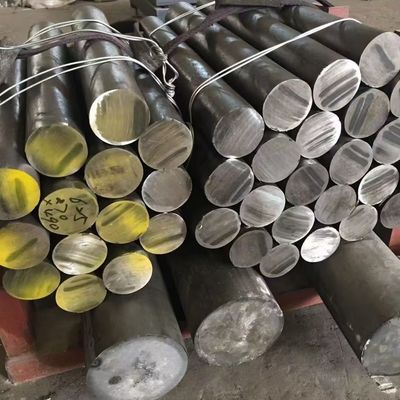
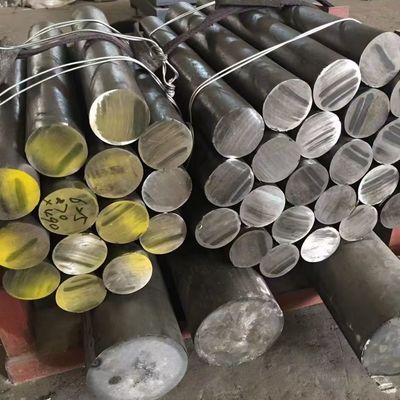
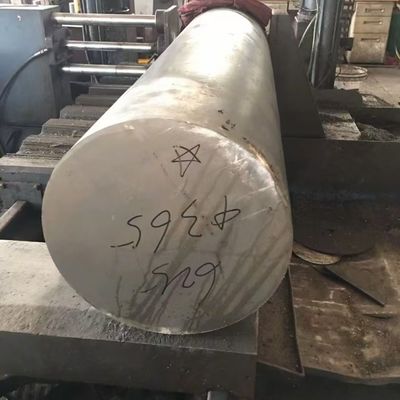
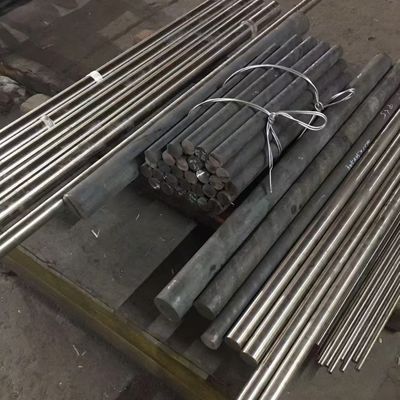
ASME SB446 Inconel 625 Bar, ½-10" Size, Chemical Plants; EN 2.4856 Nickel Alloy Bar


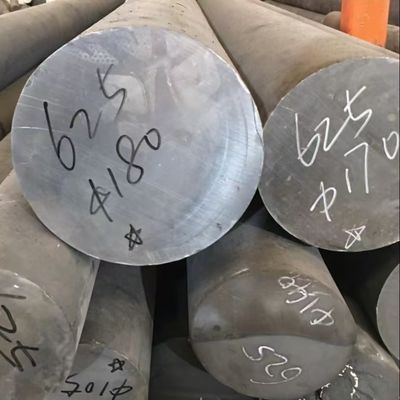
商品の詳細
| 製品 | Inconel 625の丸棒 | 学年 | インコネル625 |
|---|---|---|---|
| 直径 | 10 - 350mm | 長さ | 要求に応じて任意の長さで切断 |
| 標準 | ASTM EN | サービス | 切断 |
| ロードポート | 上海港 | 表面 | ブラック、ブライト |
| ハイライト | ASME SB446 Inconel 625 bar,EN 2.4856 nickel alloy bar,Inconel 625 bar for chemical plants |
||
製品の説明
Products Specification
|
Standard
|
AISI, ASTM, BS, DIN, GB, JIS
|
||
|
Grade
|
Monel series: 400 K500
Inconel series: 600 601 625 718 725 Incoloy series: 800 800H 825 925 Hastelloy series: B,B2,B3,C,C-276,C-4,C-22 Pure: Ni200, Ni201 |
||
|
Specifications
|
Round bar
|
Diameter:4~300mm
|
|
|
Flat bar
|
Thickness
|
1.0~100mm
|
|
|
Width
|
1~1500mm
|
||
|
Square bar
|
Size: 4*4-100*100mm
|
||
|
Length
|
2m, 5.8m, 6m, or as required.
|
||
|
Surface
|
Black, peeled, polishing, bright, sand blast, hair line, etc.
|
||
|
Price Term
|
Ex-work, FOB, CFR, CIF, etc.
|
||
|
Delivery Time
|
Standard size is in stock,prompt delivery or as order's quantity.
|
||
ASME SB446 Inconel 625 Bar, ½-10" Size, Chemical Plants; EN 2.4856 Nickel Alloy Bar
Overview
Designed explicitly for the harsh operating conditions of chemical processing facilities, our ASME SB446 Inconel 625 round bars—also designated as EN 2.4856 nickel alloy bars—deliver uncompromising performance in corrosive, high-temperature environments. Available in diameters ranging from ½ inch to 10 inches (12.7 mm to 254 mm) and customizable lengths up to 6 meters, these bars are engineered to meet the stringent material requirements of modern chemical plants, where equipment reliability directly impacts operational safety and efficiency .
Material Specifications & Compliance
At the core of these bars is a nickel-chromium-molybdenum alloy fortified with niobium, a formulation that aligns with global standards. Compliant with ASME SB446 (the primary specification for nickel-alloy bars) and equivalent to EN 2.4856 (Werkstoff Nr. 2.4856) and UNS N06625, the material ensures consistency across international projects .
Chemical Composition (Typical, % by Weight)
This composition eliminates the need for post-fabrication heat treatment while delivering exceptional strength—a critical advantage for chemical plant components that require precision machining .
Key Properties for Chemical Plant Applications
Mechanical Strength
The alloy’s strength is tailored via cold working, making it adaptable to diverse load requirements:
- Annealed (0% cold work): Yield strength 820 MPa (119 ksi); Tensile strength 1165 MPa (169 ksi); Elongation 36% .
- 20% cold work: Yield strength 1200 MPa (174 ksi); Tensile strength 1496 MPa (217 ksi) .
This range ensures the bars withstand pressure fluctuations in reactors, piping systems, and valve components—common stressors in chemical processing .
Corrosion Resistance
A defining feature for chemical plants, the alloy resists:
- Strong acids (sulfuric, hydrochloric, nitric) and alkalis.
- Chloride-induced stress corrosion cracking (SCC), a leading cause of equipment failure in brine or coastal chemical facilities .
- Pitting and crevice corrosion in stagnant or high-salt environments .
This resistance is attributed to the synergistic effect of chromium (oxidation protection) and molybdenum/niobium (resistance to localized corrosion) .
Thermal & Physical Stability
- Temperature range: Operates reliably from -200°C (-328°F) to 1095°C (2003°F), suitable for both cryogenic processing and high-heat reactions .
- Density: 8.44 g/cm³ (0.305 lbs/in³), ensuring structural integrity without excessive weight .
- Thermal conductivity: 9.8 W/(m·°C) at 22°C, preventing thermal fatigue in cyclic heating/cooling processes .
Fabricability
The bars support standard machining (turning, milling, drilling) and welding (compatible with TIG/MIG processes). They are often welded to AL-6XN components in chemical plant systems, with no loss in corrosion resistance .
Chemical Plant Applications
These bars are the material of choice for critical components, including:
- Reactor internals: Trays, baffles, and agitator shafts that contact corrosive reactants.
- Piping systems: Valves, flanges, and fittings for transferring acids, solvents, and slurries.
- Pollution control equipment: Scrubber components that handle acidic exhausts .
- Heat exchangers: Tubesheets and support bars that endure high temperatures and chemical exposure .
In offshore chemical facilities, their resistance to saltwater corrosion extends equipment lifespan by 30–50% compared to conventional stainless steels .
Sizing & Quality Assurance
- Diameters: ½" to 10" (12.7 mm to 254 mm), with bright finish options for precision applications (4 mm to 100 mm diameter) .
- Lengths: Standard 1–6 meters; custom cut-to-length available for minimal waste.
- Quality checks: Each batch undergoes chemical composition analysis (XRF spectroscopy), mechanical testing (tensile/elongation), and ultrasonic inspection for internal defects—meeting NACE MR0175 (ISO 15156) for sour service compatibility .
Why Choose Our Inconel 625/EN 2.4856 Bars?
- Compliance: Fully certified to ASME SB446, EN 2.4856, and UNS N06625.
- Application-focused: Optimized for the unique demands of chemical processing.
- Supply reliability: Ex-stock availability for common diameters (½" to 4") and fast lead times for large sizes.

推薦されたプロダクト